
1-805-484-2992
Quotes - Engineering - SalesRefrigerated Air Dryers for Pneumatic Tools & Controls
The header in a general manufacturing plant feeds three kinds of users at once: hand tools such as impact wrenches, grinders and nutrunners; the cylinders and valve manifolds on fixtures, presses and conveyors; and the regulators, positioners and I/P transducers that run the process. Water arriving with the air hurts each of them differently. It washes the oil out of a vane motor and rusts the vanes, it freezes at the exhaust port of a tool whose expanding air drops below 32°F, it pools in a cylinder and pits the bore, and it jams the 0.010 in orifices in a pilot valve or a positioner.
A refrigerated dryer holding a 38°F pressure dew point stops all of that inside a heated building, because nothing in the plant is colder than 38°F. That is ISO 8573-1 class 4 for water, the number most tool and valve makers print in their manuals. The exceptions are instrument lines that run outdoors and control air in an unheated building in winter, which need a desiccant stage.
Sizing starts with the compressor, not the tool count, because tools are intermittent and the compressor is what the dryer actually sees. A 30 hp rotary screw delivering 125 to 130 SCFM is a 150 SCFM dryer; a 75 hp screw at 320 to 340 SCFM is the 400 SCFM size. The dryer goes in the compressor room after the receiver, so every drop in the plant gets the same dry air.
Tool-heavy plants have the most variable air demand of any application on this site: the compressor loads and unloads all day as guns and wrenches come on and off. That is the duty where a cycling dryer earns its price, because its refrigeration compressor rests between bursts while the thermal mass carries the load.
Request a plant air dryer quote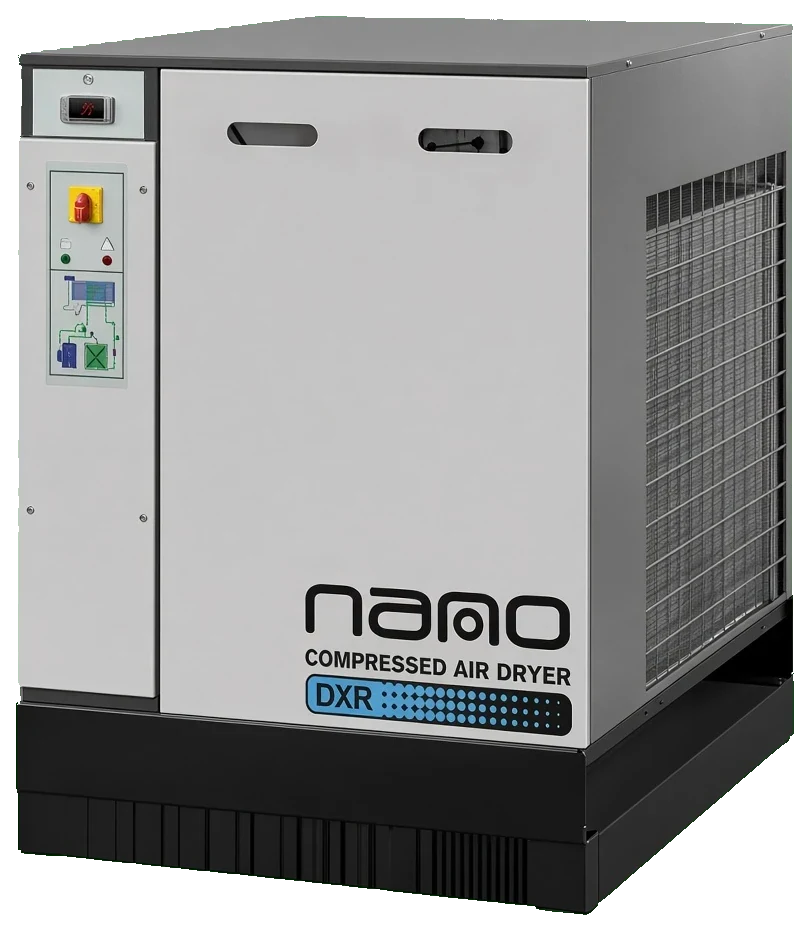
What water does to tools and pneumatics
Four failures, all avoidable at 38°F
- Vane motors in grinders and impacts rust and lose torque as water washes the lubricant out
- Ice at tool exhaust ports on cold mornings, where the expanding air drops below freezing
- Cylinder bores pitting and seals hardening as condensate collects at the bottom of the stroke
- Solenoid and pilot valves sticking as rust slurry from a wet header blocks their orifices
The specification for tool and control air
What to write on the requisition
- 38°F pressure dew point, ISO 8573-1 class 4; desiccant only for outdoor or unheated lines
- Dryer sized to the compressor's full delivery at the compressor room's summer temperature
- 1 micron prefilter ahead of the dryer, 0.01 micron oil-removal afterfilter behind it for control air
- Zero-loss drains on the receiver, dryer and filter bowls, and a bypass so the dryer can be serviced
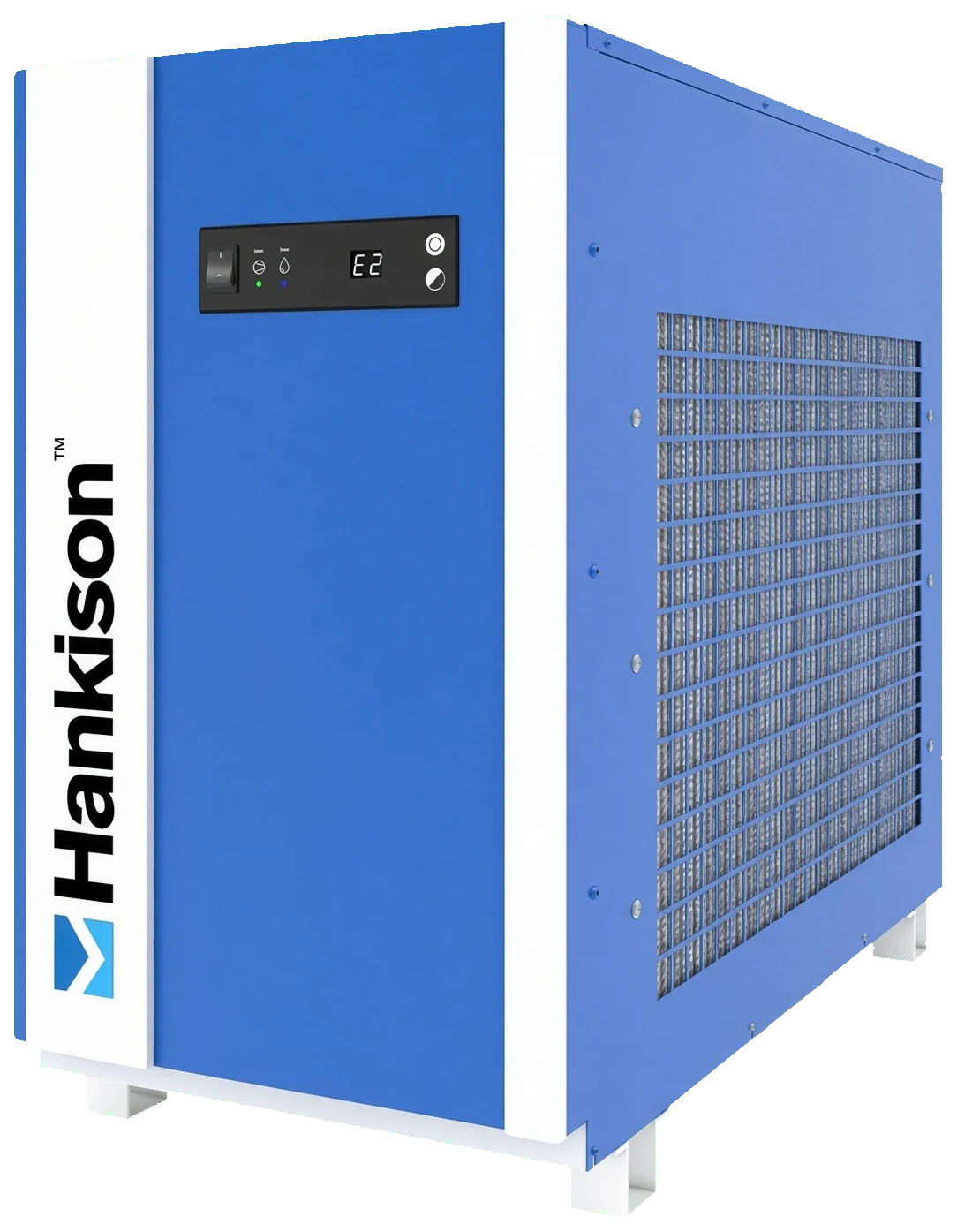
Dryers that fit tool and control air
Rated capacities at 100 psig and 100°F inlet. A 10 to 50 hp screw lands in the 65 to 250 SCFM band; a 60 to 100 hp compressor uses the 300 to 500 SCFM sizes. The cycling series suit the on-off demand of a tool-heavy plant.
| SERIES | TYPE | FLOW RANGE | MAX INLET | MAX PRESSURE |
| DXR Series | Non-Cycling | 10 to 4,200 SCFM | 131°F | 203 psig |
| FLXA Series | Cycling | 75 to 2,000 SCFM | 120°F | — |
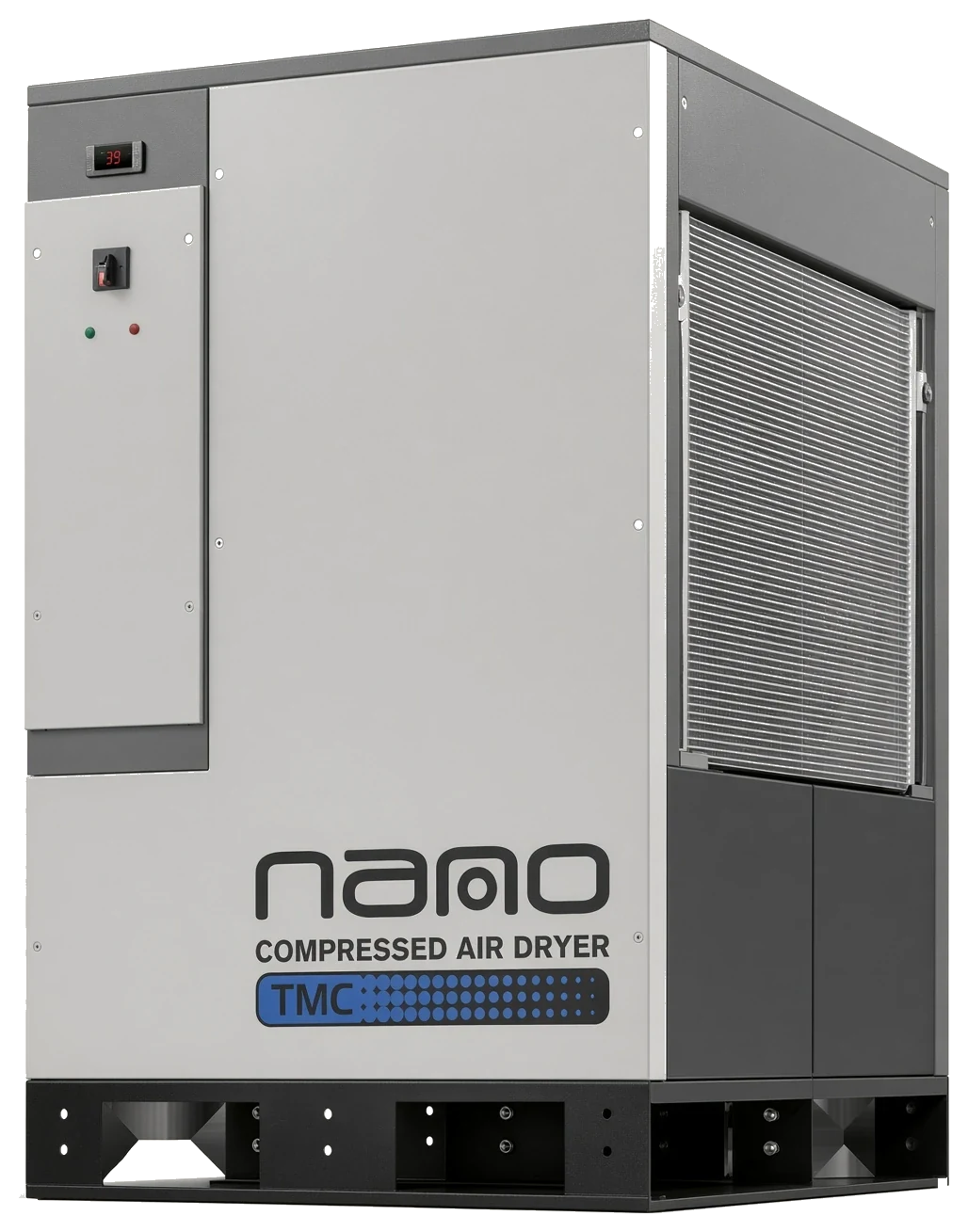
| TMC Series | Thermal Mass Cycling | 30 to 635 SCFM | 140°F | 210 psig |
| NXC Series | Cycling | 20 to 2,000 SCFM | 158°F | 232 psig |
| HPRB Series | Non-Cycling | 7 to 50 SCFM | 120°F | 200 psig |
| GFN Series Filters | Compressed Air Filter | 6 to 1,500 SCFM | — | 232 psig |
| NGF Series Filters | Compressed Air Filter | 20 to 1,500 SCFM | — | 250 psig |
| ND Series Zero-Loss Drains | Condensate Drain | Call for sizing | — | 290 psig |
Send the compressor horsepower, the room temperature and whether any control air leaves the building; we size the dryer and the filter pair in one pass.
Take the drops off the top of the header
Even with a dryer in the compressor room, a header laid with a slight fall and drops taken from the bottom of the pipe deliver whatever liquid is in the line straight to the tool. Drops should leave the header from the top through a swan neck, the header should fall toward a drain leg at the far end, and that leg needs a drain that opens on its own.
The other habit worth breaking is the hose reel on the sunny side of the building. Air dried to 38°F and reheated in a hose lying in the sun will not condense in the tool; air that was never dried will, and the reel is the first place a plant notices that the dryer was bypassed for service and never put back.
- Top-entry drops with a swan neck
- Header falling to a drain leg with an automatic drain
- Bypass valves tagged so the dryer goes back in service
Where the dryer and filters go
Compressor, aftercooler, receiver, prefilter, dryer, afterfilter, header. The receiver ahead of the dryer matters more in a tool plant than anywhere else: it absorbs the demand spikes from a dozen impact wrenches so the dryer sees a smoothed flow instead of the compressor's full output every time it loads. Hand tools want a little oil and do not need the afterfilter, but control air, valve manifolds and any air that touches a finished part do, so the 0.01 micron oil-removal filter goes on the header behind the dryer.
Instrument and control air
The pneumatic control standard most instrument engineers work to asks for a dew point at least 18°F below the lowest temperature the air will meet anywhere in the system. Inside a plant kept above 60°F a 38°F dryer meets that with room to spare. A control line to a rooftop damper or a loading dock in January does not, and that branch needs a small desiccant dryer; the refrigerated versus desiccant page covers the choice.
Cycling or non-cycling for a tool plant
Tool demand is the classic swinging load: a fastening line pulls 60 SCFM for ten seconds and nothing for the next thirty. Over a shift the compressor may average half its rating, and overnight the plant holds pressure with almost no draw. A non-cycling dryer runs its refrigeration compressor flat out through all of it; a cycling dryer stores cold in a thermal mass and stops the refrigeration compressor whenever the air load is low. Above about 100 SCFM the saving pays for the difference within a couple of years.
Sizing for the compressor room
Take delivered SCFM off the compressor data sheet and the room temperature on the hottest afternoon of the year. At 110°F ambient an air-cooled dryer keeps about 88 percent of its rating, and a compressor with a dirty aftercooler can deliver 120°F air that takes the dryer down to 65 percent. A 40 hp screw at 175 SCFM in a 105°F room is the 200 or 230 SCFM dryer, not the 185; the flow and SCFM page shows the arithmetic.
Tool and control air drying questions
Air expanding from 90 psig to atmosphere inside the tool drops 60 to 70°F, so any liquid in the air freezes at the exhaust port. Check that the dryer is holding 38°F on the coldest morning and that the drop leaves the top of the header, not the bottom where condensate collects.
No, lubricated tools are happier with a trace of oil in the air. The 0.01 micron oil-removal filter is for control air, valve manifolds, blow-off on painted or bonded parts and any air that reaches an instrument. Put it on the header behind the dryer.
A 50 hp screw delivers 210 to 230 SCFM, which is the 250 SCFM dryer at a normal room temperature and the 300 SCFM size in a hot compressor room. Size for the compressor, not the sum of the tool ratings, because the tools never all run at once.
Only when it leaves the heated building or needs a lower class than the rest of the plant. Otherwise one dryer at the compressor room, with a 0.01 micron filter on the header and a filter-regulator at each panel, is simpler and cheaper to maintain than a second dryer.
Possibly, but check the easy things first: a dryer sized before the plant added a second compressor, a timer drain that has stopped opening, or a header that runs through a hot roof space and back down into a cool bay. Water in an FRL bowl behind a working dryer almost always means re-condensation between the dryer and the drop.
More on plant air for tools
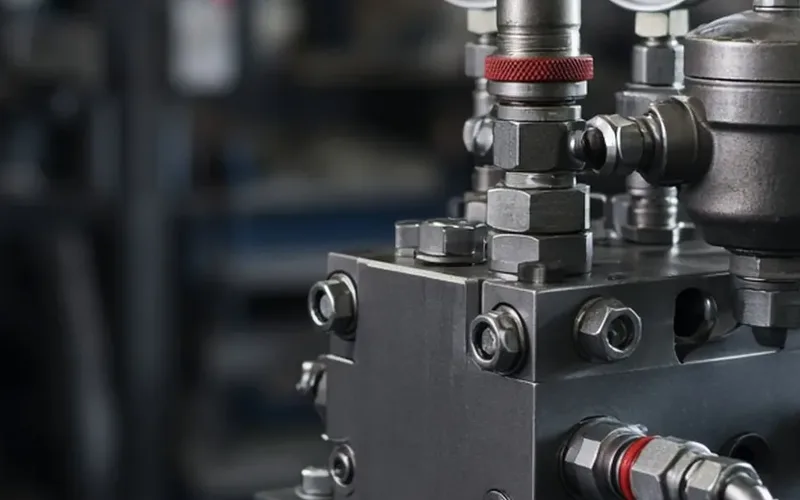
Piping and bypass around the dryer
The order of equipment from compressor to header, and how to pipe a bypass that lets the dryer be serviced without stopping the plant.
Learn More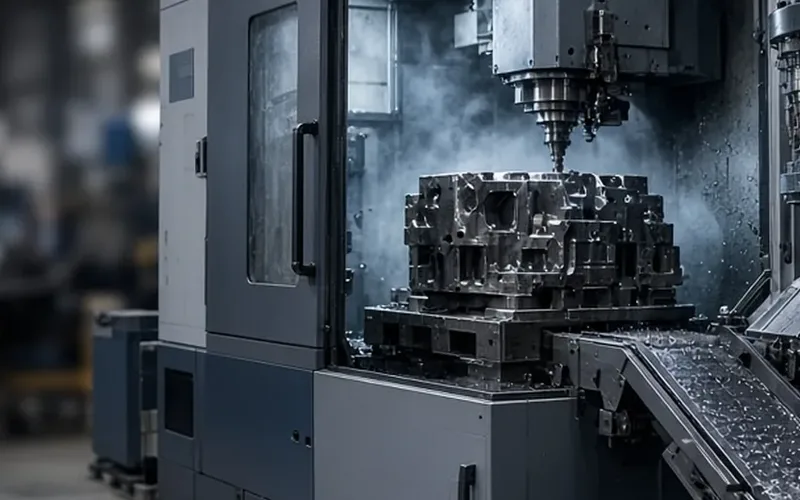
CNC & Machining
Compressed air drying for CNC machining centers and machine tools: why spindles, tool changers and air blast need a 38 degree dew point, and which dryers fit.
Learn More
Laser & Plasma Cutting
Compressed air for plasma tables and fiber laser assist gas: where a refrigerated dryer is enough and where a desiccant stage is required.
Learn More