
1-805-484-2992
Quotes - Engineering - SalesWhat a lab or dental compressor asks of its dryer
Small flows, clean air and an oil-free head that can run surprisingly hot
An oil-free piston or scroll compressor has no oil to carry over, which removes the coalescer question, but it also has no oil to carry heat away, so a small oil-free head without an aftercooler can discharge air above 150°F. The dryer choice therefore rests on two numbers: the sum of what the chairs or instruments draw, and the temperature at the tank outlet.
Two-chair dental office
- 4 to 6 SCFM with both handpieces running
- Dryer size 7 SCFM
- 1 to 2 hp oil-free compressor on a small tank
Five-chair practice
- 8 to 12 SCFM at peak
- Dryer size 11 to 15 SCFM
- 2 to 3 hp duplex oil-free unit
Dental or jewelry lab
- Handpieces plus a blast cabinet: 15 to 20 SCFM
- Dryer size 20 to 25 SCFM
- The sandblaster sets the peak
Instrument and test air
- Analyzers, actuators, pick-and-place: 10 to 30 SCFM
- Dryer size 15 to 32 SCFM
- Add a desiccant dryer where -40°F is specified
Duty to dryer size, lab and dental
Peak draw with every user on the line running at once. Dryer sizes at 100 psig and plant-temperature inlet; the second column applies the 0.65 inlet factor for an oil-free head with no aftercooler delivering 120°F air to the dryer.
| DUTY | PEAK AIR DRAW | DRYER SIZE, COOLED AIR | DRYER SIZE, 120°F INLET | DRYER BAND |
| Two-chair dental office | 4 to 6 SCFM | 7 SCFM | 10 to 11 SCFM | 5 to 50 SCFM |
| Five-chair practice | 8 to 12 SCFM | 11 to 15 SCFM | 15 to 20 SCFM | 5 to 50 SCFM |
| Ten-chair clinic | 16 to 24 SCFM | 25 SCFM | 32 to 42 SCFM | 5 to 50 SCFM |
| Dental lab with sandblaster | 15 to 20 SCFM | 20 to 25 SCFM | 30 to 32 SCFM | 5 to 50 SCFM |
| QC lab instrument air | 5 to 10 SCFM | 10 to 11 SCFM | 15 SCFM | 5 to 50 SCFM |
| Electronics assembly line | 20 to 30 SCFM | 30 to 32 SCFM | 42 to 50 SCFM | 5 to 50 SCFM |
The 7 to 32 SCFM plug-in dryers
The 7, 11 and 15 SCFM cabinet units and the 10 to 30 SCFM direct-expansion sizes are the dryers for this duty: 115 V, 3/8 or 1/2 in connections, 0.15 to 0.35 kW, and quiet enough for an equipment closet next to an operatory.
- HPRB Series: Current small non-cycling dryer, 7 to 50 SCFM, with low-GWP R513A refrigerant, a 3-in-1 heat exchanger and a built-in separator on the larger sizes.
- DXR Series: Direct-expansion non-cycling dryer in 27 sizes from 10 to 4,200 SCFM; the widest single range on the site, with a full data sheet behind every model.
Oil-free heads that run hot
An oil-free piston compressor with no aftercooler and a short line to the dryer can deliver air well above 130°F. The 25 SCFM high-inlet-temperature dryers take 180 to 200°F air directly and give a 50°F dew point, which is adequate for handpieces and blast cabinets but not for instruments that call for class 4.
- HRHT Series: Current high-inlet-temperature dryer, 25 to 100 SCFM, rated for 200°F inlet air from reciprocating compressors with no aftercooler.
- HTR Series: High-temperature direct-expansion dryer, 25 to 125 SCFM, for 180°F inlet air from piston compressors on shop and service-bay duty.
Installing a dryer in a clinic or laboratory
The compressor, tank and dryer usually share a closet or mechanical room, and the questions are noise, heat, drain water and keeping the air oil-free from head to handpiece.
Pipe the dryer after the tank with a 1 micron particulate filter ahead of it and a 0.01 micron filter behind; on an oil-free system the afterfilter is there for particles and any residual aerosol from the tank, not for compressor oil, and an activated carbon stage is only needed where the specification calls for oil vapor removal. Fit a zero-loss automatic drain on the tank and route the tank, filter and dryer drains to a sink or condensate neutralizer rather than a bucket, because a clinic cannot have water standing under equipment.
A dryer in this class draws under 0.4 kW and can sit on a wall bracket above the compressor, but its condenser needs air that has not already been warmed by the compressor, so leave a hand's width behind it and do not box it in with the tank. Where the practice or lab specifies a dew point below 38°F, a small desiccant dryer goes downstream of the refrigerated unit, which then does the bulk drying and protects the desiccant from liquid water.
A five-chair practice on a 3 hp oil-free duplex is the 11 or 15 SCFM dryer with the air cooled; connected straight to a hot tank it is the 20 SCFM standard size or the 25 SCFM high-inlet-temperature unit.
Size a dryer for my practice or lab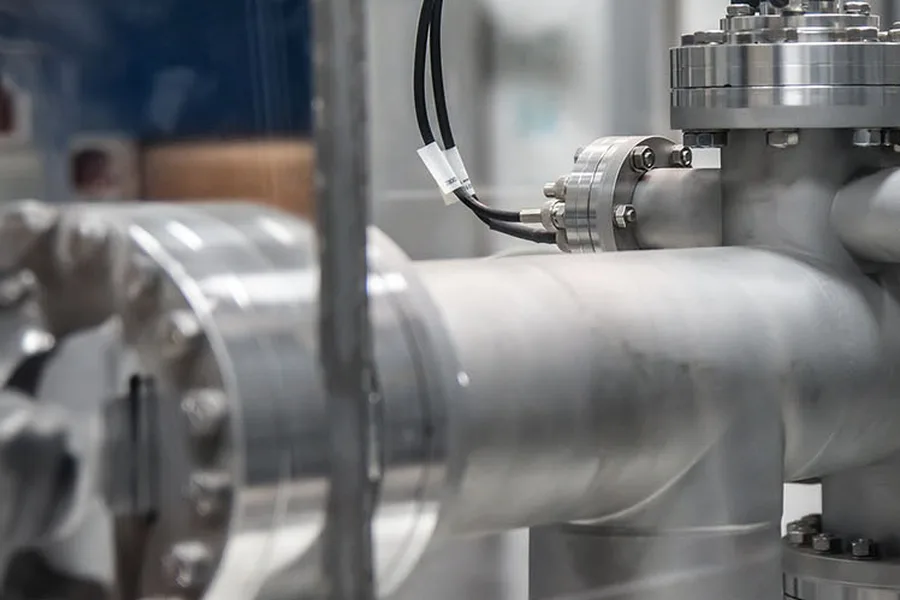






Lab and dental compressor dryer questions
If the compressor package has no dryer of its own, yes: handpieces and syringes carry water straight into the patient's mouth and the water corrodes the turbines. A 7 to 15 SCFM refrigerated dryer holds a 38°F pressure dew point, ISO 8573-1 class 4; where the practice specifies a lower dew point a desiccant unit follows it.
Four chairs with handpieces running together draw about 6 to 10 SCFM, so the 11 SCFM dryer covers it with the air cooled, and the 15 SCFM size if the compressor closet runs warm. Count the chairs that can be in use at once, not the total installed.
For pneumatic actuators, sample handling and bench tools, yes. Gas chromatographs, moisture-sensitive analyzers and lines that leave a heated building usually specify -40°F, which is a desiccant dryer's job; the refrigerated dryer still belongs ahead of it to take out the bulk water.
A particulate filter, yes; an oil-removal coalescer is not doing much. The tank, pipe and dryer separator shed rust, and the 0.01 micron element catches it along with any water droplets the separator missed. A carbon element is only needed where the specification names oil vapor.
To a drain, through a hose from each automatic drain, never onto the floor of an equipment room. Condensate from an oil-free system is essentially water with rust and can go to a sink or floor drain; where the compressor is lubricated it goes through an oil-water separator first.