
1-805-484-2992
Quotes - Engineering - SalesSizing & Selection
Refrigerated Air Dryer Sizing & Selection
A refrigerated dryer is a simple machine to buy badly. Its rating is honest only at one set of conditions, its capacity falls quickly when the compressor room or the inlet air runs hot, and a unit that is one size short passes water down the header on the first warm afternoon of the year. These pages set out how to size one from the compressor, how to correct the nameplate SCFM for the conditions it will actually see, how to choose between the technologies we sell, and how to install and keep it so it holds its 38°F dew point for years.
Fifteen topics sit under four headings. Sizing covers flow and the three correction factors. Selecting covers cycling against non-cycling, refrigerated against desiccant, ISO 8573-1 air quality classes and air against water cooling. Installation covers piping, bypass, drains, filters and upkeep. Replacement covers reading an old nameplate, crossing any make by flow, and finding the part number you need.
- Rating point: 100 psig inlet, 100°F inlet air, 100°F ambient (85°F water on water-cooled units), 38°F pressure dew point
- Corrected duty = delivered SCFM divided by the product of the inlet, ambient and pressure factors; choose the first model at or above it
- Piping order: compressor, aftercooler, receiver, 1 micron prefilter, dryer, 0.01 micron afterfilter, header, with a bypass around the dryer
How To Use These Pages
Four Steps From Nameplate to Model Number
Work through the numbered steps below in order, or go straight to the topic you need from the cards at the foot of the page. Each topic page carries a worked example, a table of the numbers it discusses, and the series that fit the duty it describes. If you would rather send the compressor data and let us run the numbers, call 1-805-484-2992 between 8am and 5pm or use the quote form; a compressor horsepower, a line pressure, the room temperature in summer and the hours the plant runs are enough to size a dryer.
Every sizing and selection topic
Fifteen topics under Sizing, Selecting, Installation and Replacement
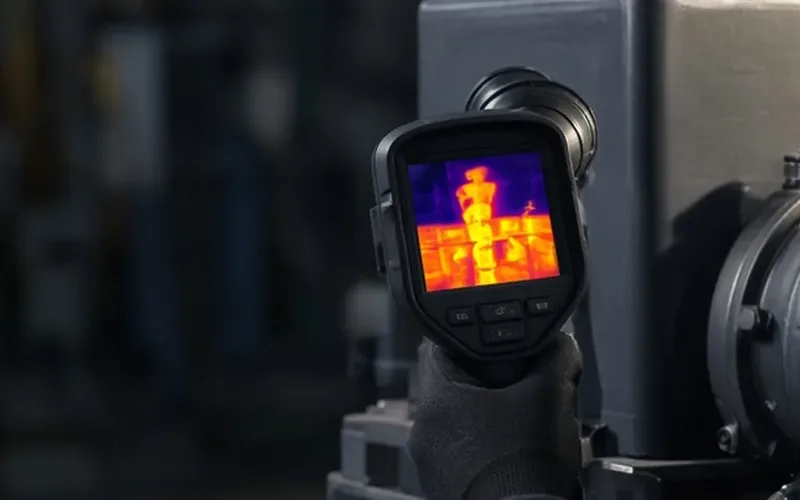
Flow & SCFM: Start from the compressor's delivered flow, not the plant's average use. SCFM against ACFM, the 100 psig rating point and a worked example from nameplate to model number.
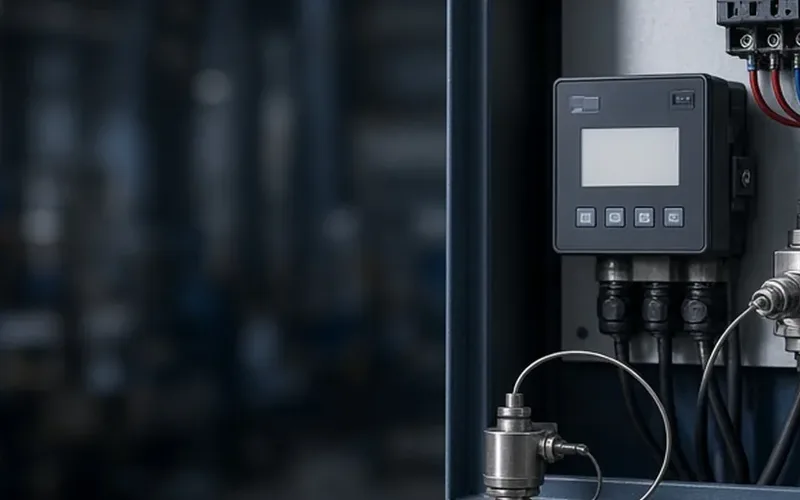
Inlet Temperature: Inlet air at 110°F takes a fifth of a dryer's capacity and 120°F takes a third. Where hot inlet air comes from, the correction factors and when a high inlet temperature dryer is the answer.
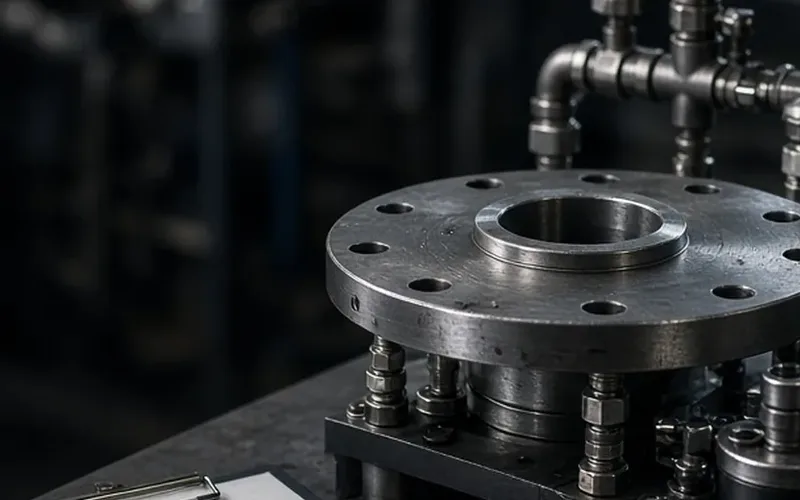
Operating Pressure: Higher pressure helps a dryer and lower pressure hurts it. Factors from 60 to 150 psig, minimum and maximum working pressures, and where the high-pressure series take over.

Ambient Conditions: The condenser rejects heat to the compressor room, so a 110°F room derates an air-cooled dryer by 12 percent and a 120°F room by a quarter. Ventilation, minimum ambient and the water-cooled alternative.
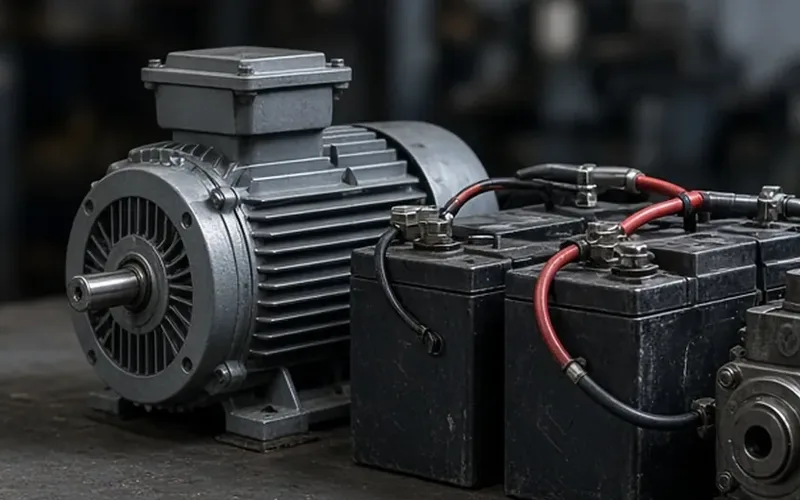
Cycling vs Non-Cycling: Thermal-mass, digital-scroll and variable-speed dryers cut power at part load; non-cycling dryers cost less and run flat out. Power figures by duty cycle and where the payback is.

Refrigerated vs Desiccant: A refrigerated dryer reaches 38°F, class 4; desiccant reaches minus 40°F or minus 100°F. Which duties need which, what each costs to own, and how we help when the answer is desiccant.
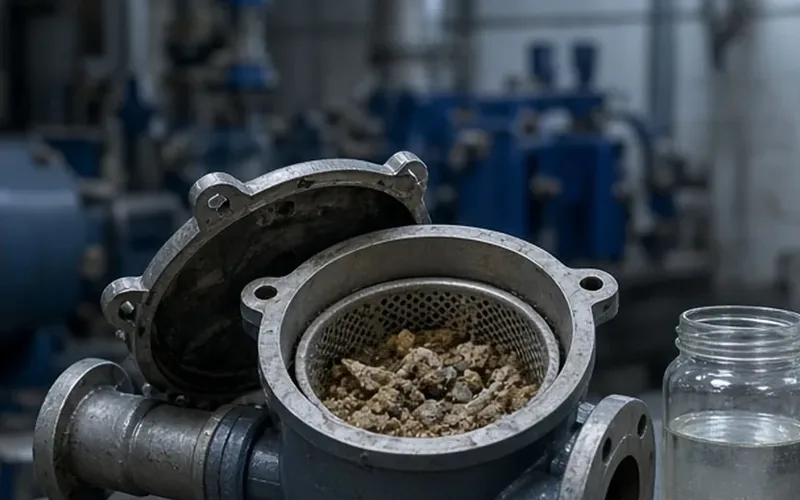
Dew Point & ISO 8573-1 Classes: ISO 8573-1 classes for water, particles and oil, and what a class 4 dew point means at line pressure against atmospheric pressure. How to specify and verify the air quality a process needs.
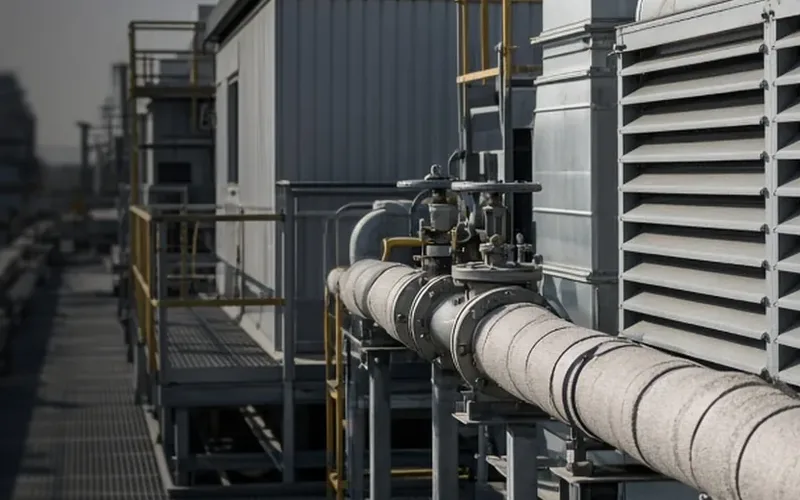
Air-Cooled vs Water-Cooled: Air-cooled dryers dump their heat into the room; water-cooled dryers send it to the tower. The water-cooled builds of the FLXA, AES, VDR, HES and FLX Series, condenser water limits and room heat.
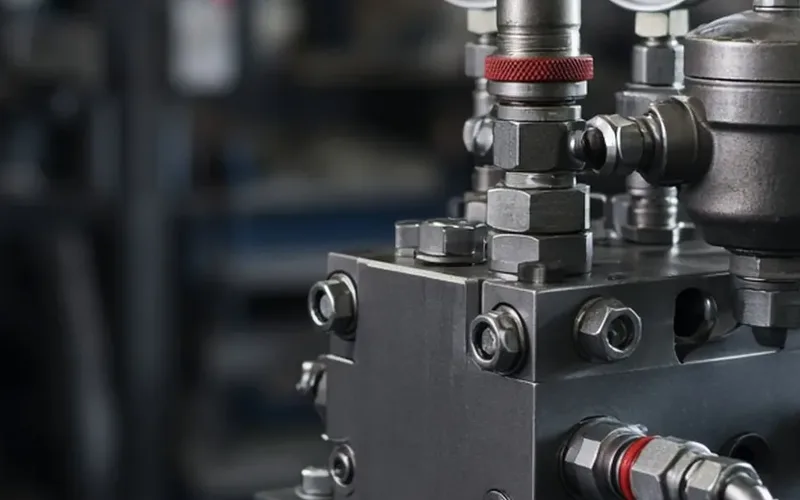
Piping & Bypass: The order of equipment from compressor to header, three-valve and single-body bypasses, isolation for filter changes, pipe sizing, and why nothing should be added to the air after the dryer.
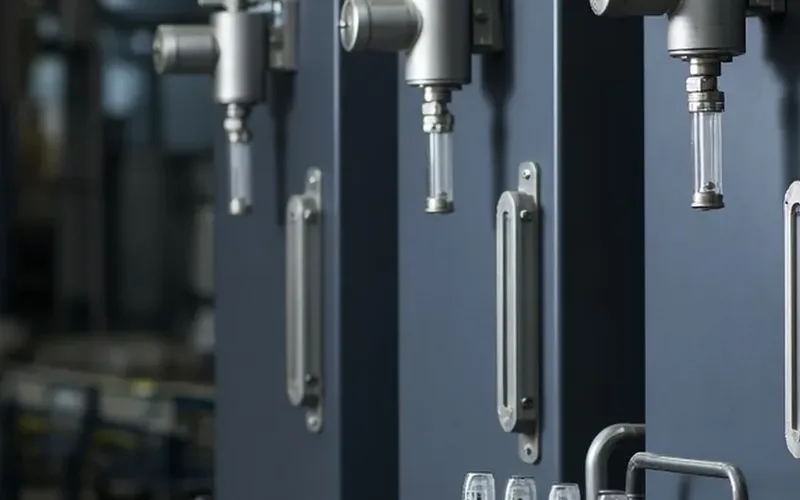
Condensate Drains: Timed, zero-loss and float drains compared, where each belongs from the receiver to the afterfilter bowl, how to pipe the discharge and why the condensate needs an oil-water separator.
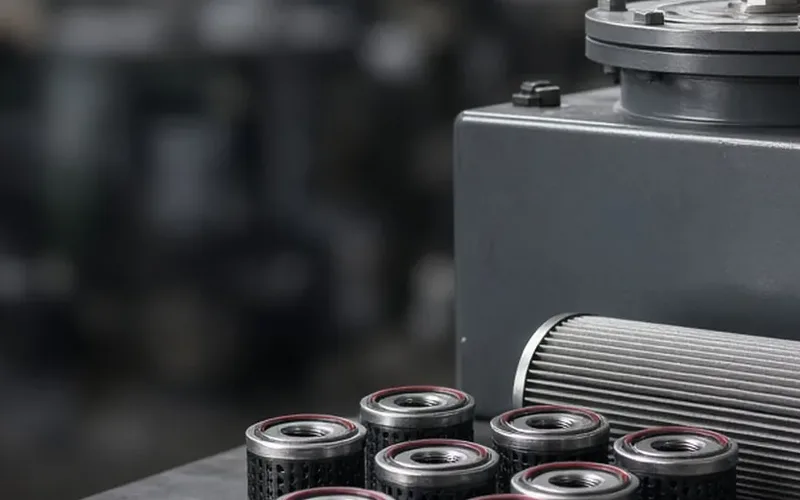
Filter Placement: A 1 micron prefilter ahead of the dryer and a 0.01 micron oil-removal filter after it. Element grades, pressure drop, change intervals and the high-temperature filter for piston compressors.

Maintenance: Clean condenser fins, a drain that opens, elements changed on pressure drop and a dew point check with a portable monitor keep a dryer at its rating. What drifts, and what it means.
Replacing an Existing Dryer: What to read off the old nameplate, the retired HPR, HPRN, FLEX, HITN and HPET Series and their successors, and what changes in connection size and footprint.

Cross-Reference by Flow: A flow-by-flow table of the current series and model examples from 25 to 10,000 SCFM. How to cross any other make by its rated SCFM at the standard point.

Part Number Index: How the series pages and part-number pages are organised, how each series numbers its models, and where the four series catalogued on our sister site are found.
1. Find the flow the dryer will see
The dryer sees the compressor's full output every time the compressor loads, so the number to size from is delivered SCFM, not the plant's average consumption. A rotary screw delivers 4 to 5 SCFM per horsepower, a piston compressor 3.5 to 4. Two compressors on one header are sized for the sum if they can run together. The flow and SCFM page covers ACFM, free air and the rating point.
2. Correct for the conditions
The nameplate rating assumes 100 psig, 100°F inlet air and a 100°F room. Hotter inlet air is the largest correction: 110°F costs 20 percent of capacity and 120°F costs 35 percent. A 110°F compressor room costs a further 12 percent. Pressure works the other way, with 150 psig adding 15 percent and 60 psig taking 20 percent away. Multiply the three factors, divide the delivered flow by the product, and that is the rating-point SCFM the dryer must carry. The inlet temperature, operating pressure and ambient conditions pages tabulate each factor.
3. Choose the technology
A non-cycling dryer costs least and holds the steadiest dew point; a cycling dryer stores cold and stops its refrigeration compressor at part load, which is where the energy goes in a plant that runs two shifts or idles at weekends. The dew point a refrigerated dryer can reach is 38°F, ISO 8573-1 class 4, which is right for indoor plant air and wrong for lines that run outdoors in winter or processes that specify minus 40°F; those need a desiccant dryer, and we say so when they do. Air-cooled units suit most rooms; water-cooled units suit hot rooms and central plants. The selecting section compares each pair.
4. Install it to keep the rating
The dryer holds its rating only with a working drain, a prefilter ahead of it, an afterfilter behind it, a bypass for service, and a condenser that can breathe. The installation section covers the piping order, the drain choices and the few checks that keep the dew point where the nameplate says. When the dryer being replaced is an older unit, the replacement section reads its nameplate, names the successor series and crosses any other make by flow.