
1-805-484-2992
Quotes - Engineering - SalesRefrigerated Air Dryers for Powder Coating
Powder coating uses compressed air in every step that touches the powder: fluidizing air bubbling up through the hopper bed, the venturi pumps that carry powder to the guns, the atomizing and pattern air at the gun tip, the gun purge, the blow-off stations that clean parts before the booth and the reciprocators that move the guns. Moisture in any of it is absorbed by the powder, which is hygroscopic, and the result is a hopper that will not fluidize, clumps that block the venturi and spit from the gun, impact fusion in the hoses, and a film with pinholes and poor charging. Oil is worse: a trace of compressor lubricant in the powder is a crater in the cured finish and a batch of reclaim that has to be thrown away.
The gun makers set the specification: a pressure dew point no higher than 38°F, oil under 0.1 ppm and particles filtered to 0.3 micron or better. A refrigerated dryer holding 38°F, ISO 8573-1 class 4, meets the dew point in a climate-controlled booth room; a 0.01 micron coalescer and an activated carbon filter at the booth meet the oil limit. Some makers ask for a lower dew point in a hot, humid booth room, and that case is a desiccant dryer on the gun air with the refrigerated dryer ahead of it.
A manual gun with its hopper and pump draws 5 to 10 SCFM; an automatic booth with four guns, reciprocators and a fluidized hopper draws 40 to 60, and the blow-off station ahead of the booth can double that while it runs. A 25 hp screw at 105 to 110 SCFM is the 125 SCFM dryer for a one-booth line; a 50 hp screw feeding two booths and the pretreatment washer is the 250 SCFM size.
Powder lines run in shifts but the demand swings hard between blow-off, spray and changeover, and the line is often idle overnight with the compressor holding pressure. That is where a cycling dryer earns its keep above 100 SCFM; a small manual booth on a 10 hp compressor is fine on a non-cycling cabinet unit.
Request a powder line dryer quote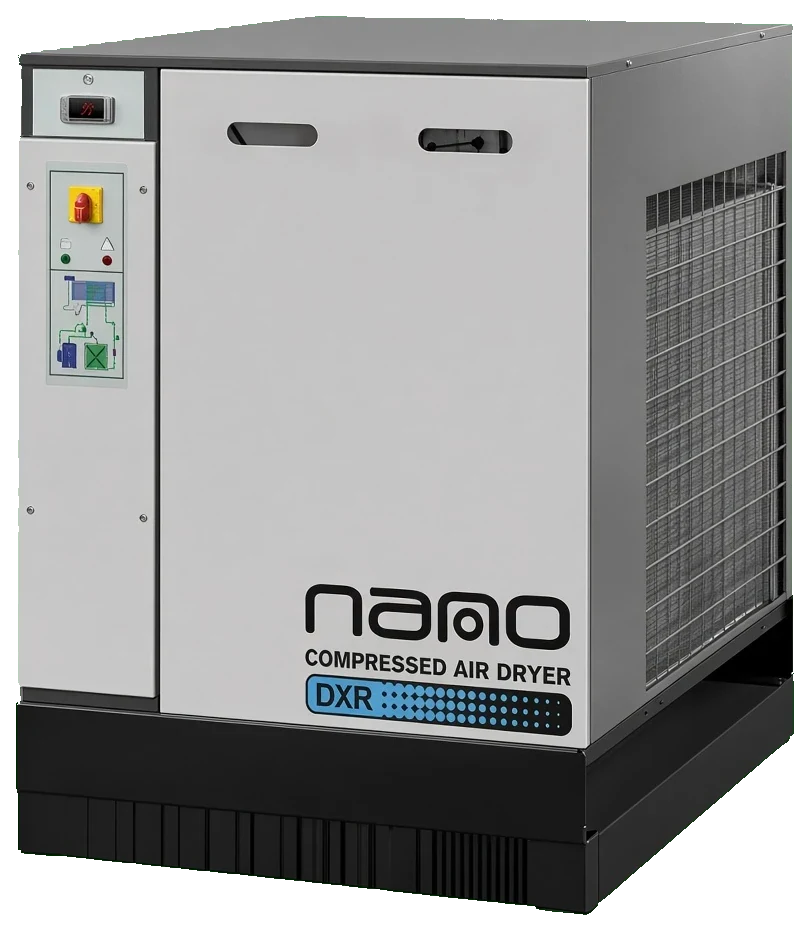
What moisture does to powder
In the hopper, the hose and the film
- Hopper beds that channel and clump instead of fluidizing, starving the pumps
- Venturi pumps blocking and guns spitting as damp powder bridges the pickup tube
- Impact fusion in the hoses as moist powder packs and melts at the bends
- Pinholes, poor charging and orange peel in the cured film
The air specification the gun makers set
Dew point, oil and particles together
- Pressure dew point 38°F or lower, ISO 8573-1 class 4, from a refrigerated dryer at the compressor
- Oil under 0.1 ppm: 0.01 micron coalescer plus activated carbon at the booth
- Particles to 0.3 micron through the final filter stage on the gun air
- Desiccant stage on the gun air only where the booth room runs hot and humid
Dryers that fit a powder line
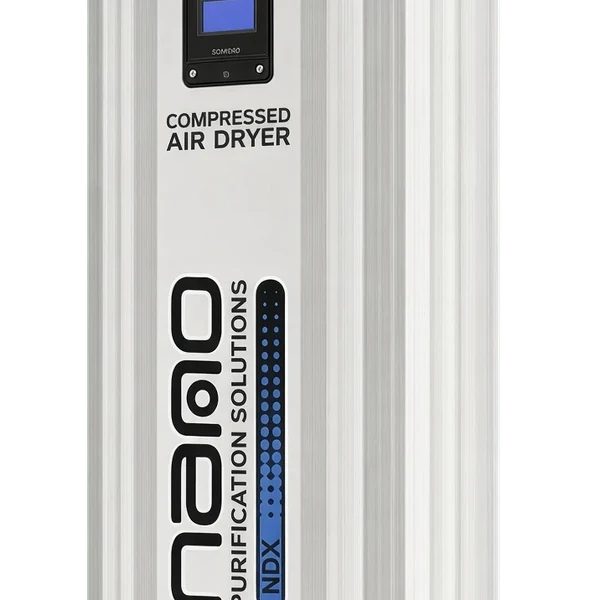
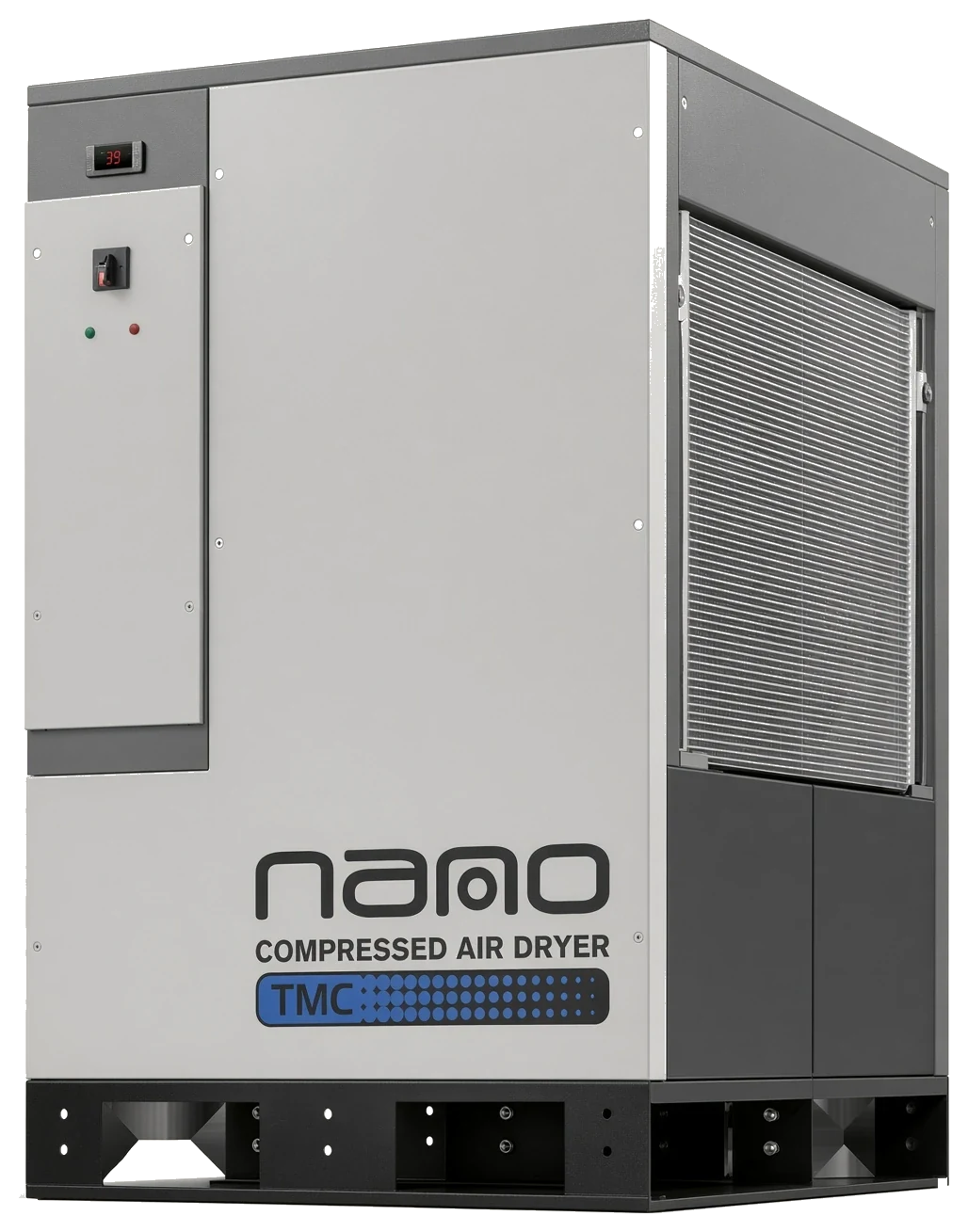
Capacities at 100 psig and 100°F inlet. A manual booth on a 10 to 15 hp compressor uses the 42 to 85 SCFM sizes; automatic lines on 25 to 50 hp screws use 125 to 250 SCFM, where the TMC and NXC cycling series pay back on the line's swinging demand.
| SERIES | TYPE | FLOW RANGE | MAX INLET | MAX PRESSURE |
| DXR Series | Non-Cycling | 10 to 4,200 SCFM | 131°F | 203 psig |
| TMC Series | Thermal Mass Cycling | 30 to 635 SCFM | 140°F | 210 psig |
| NXC Series | Cycling | 20 to 2,000 SCFM | 158°F | 232 psig |
| FLXA Series | Cycling | 75 to 2,000 SCFM | 120°F | — |
| HPRB Series | Non-Cycling | 7 to 50 SCFM | 120°F | 200 psig |
| GFN Series Filters | Compressed Air Filter | 6 to 1,500 SCFM | — | 232 psig |
| NGF Series Filters | Compressed Air Filter | 20 to 1,500 SCFM | — | 250 psig |
| HF Series Filters | Compressed Air Filter | 20 to 21,250 SCFM | — | 300 psig |
Send the compressor, the number of guns and hoppers, and the booth room temperature; we size the dryer and specify the filters to the gun maker's limits.
Reclaim multiplies every contaminant
A powder booth that reclaims overspray puts the same powder through the guns three or four times, and each pass adds whatever the air carried. A trace of oil that would be one crater on a spray-to-waste line becomes a contaminated reclaim hopper; a little moisture that would be one clumped hopper becomes powder that never fluidizes properly again. The economics of reclaim depend on the air being clean the first time.
That is the argument for the full train, dryer at the compressor and coalescer, carbon and particulate stages at the booth, on a reclaim line even when the guns would tolerate less. The powder saved in a month usually pays for the carbon elements for the year.
- Dryer at the compressor, three filter stages at the booth
- Carbon element on the gun air of every reclaim booth
- Hopper lids closed and fluidizing air from the dried supply
Where the dryer and filters go
Compressor, aftercooler, receiver, prefilter, dryer, afterfilter, then the header to the booth, where the gun air takes a 0.01 micron coalescer, a carbon element and a final particulate filter at the control panel. The dryer stays in the compressor room, away from the powder: airborne powder drawn into an air-cooled condenser packs the fins and takes the dryer's capacity down within months. Reclaim booths are the worst for it. The filter placement page shows the order of the stages and where the drains go.
Fluidizing air
The hopper bed is the first place moisture shows, because fluidizing air passes through every grain of powder in the hopper all day. A hopper fed with 38°F air in a 75°F room stays free-flowing; the same hopper on humid undried air at 85°F cakes at the bottom and channels within a shift. Fluidizing air is a small flow, 1 to 3 SCFM per hopper, so it is tempting to tap it off a nearby drop; give it the same dried, filtered supply as the guns.
Cycling or non-cycling for a powder line
A powder line's demand swings between blow-off, spraying and changeover, and most lines stop overnight with the compressor holding pressure against leaks. Above about 100 SCFM a cycling dryer stores cold in a thermal mass and stops its refrigeration compressor through the low-flow hours, which on a one-shift line is two thirds of the day. A manual booth on a 10 hp compressor is the other case: at 40 SCFM the non-cycling HPRB draws too little for cycling to matter. The cycling versus non-cycling page has the payback figures.
When the gun maker asks for lower than 38°F
Some equipment manuals call for a –40°F dew point where the booth room is hot and humid or where the powder is a metallic or a fine-particle grade that clumps easily. A refrigerated dryer cannot reach that, and the honest answer is a small desiccant dryer on the gun and hopper air, fed by the refrigerated dryer so the desiccant sees a light load. The refrigerated versus desiccant page explains the split.
Powder line air questions
The common specification is a pressure dew point of 38°F or lower, ISO 8573-1 class 4, with oil under 0.1 ppm and particles removed to 0.3 micron. A refrigerated dryer meets the dew point; the coalescer, carbon and particulate filters at the booth meet the rest. Some makers ask for –40°F in hot, humid rooms, which takes a desiccant stage.
Check the hopper first: damp powder from a humid changeover or an open hopper lid clumps and bridges the pickup tube regardless of the air. Then check the dew point at the booth on a hot afternoon, when a dryer sized for the compressor before the blow-off station was added lets warm wet air through.
On a lubricated compressor, yes. A coalescer removes oil aerosol but not oil vapor, and a trace of vapor condensing in the powder makes craters that reclaim carries into every later batch. Fit the carbon element on the gun air at the booth and change it on hours, because it gives no pressure-drop warning when it is spent.
A 25 hp screw delivers 105 to 110 SCFM, which is the 125 SCFM dryer at a normal compressor room temperature and the 150 SCFM size in a hot room. If the line stops overnight, the cycling TMC or NXC in that size saves more than half the dryer's power over the week.
Yes, provided the dryer was sized with it. Blow-off nozzles draw 20 to 50 SCFM each while they run, and a dryer sized for the guns alone loses its dew point every time the station starts. Size for the compressor's full output and feed the station from the header, not from the gun air filter.
More on air for powder
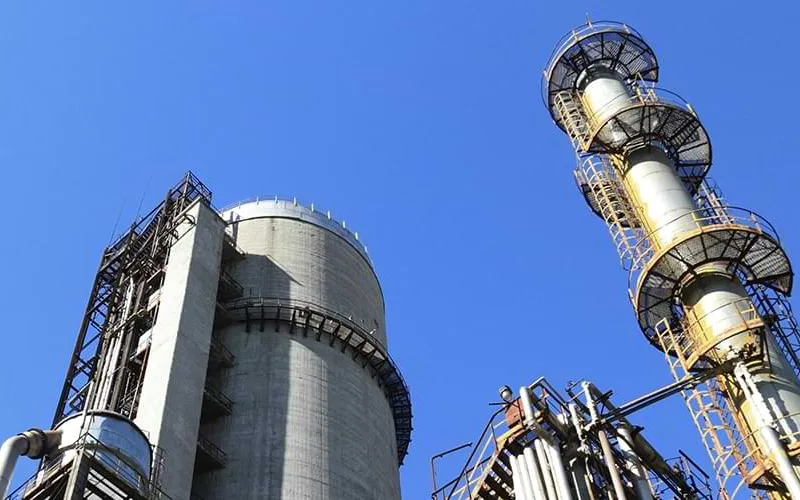
Cycling dryers from 20 to 250 SCFM
The TMC, NXC and FLXA sizes that fit a powder line on a 10 to 50 hp compressor, with the thermal mass that carries the low-flow hours.
Learn More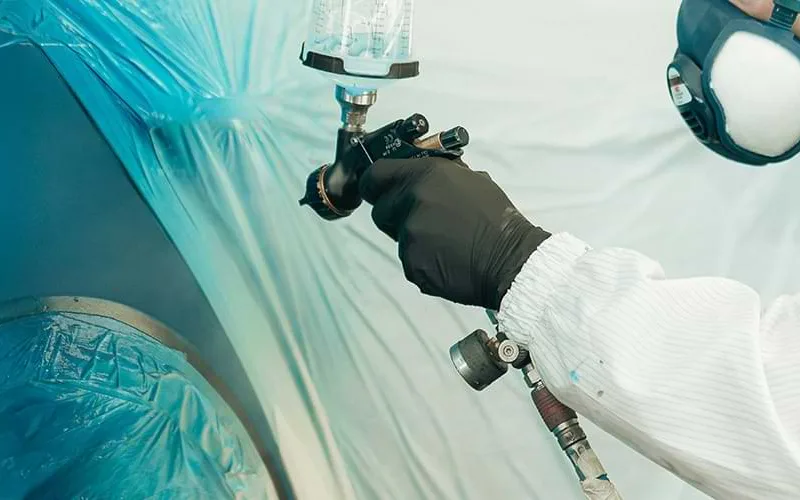
Paint Spraying
Compressed air drying for spray guns and paint lines: why fisheyes and blushing start at the compressor, and the dryer and filters to fix it.
Learn More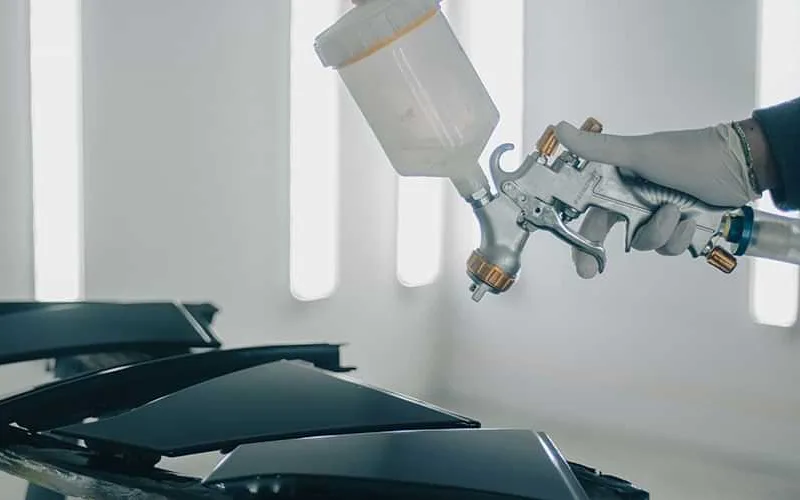
Body Shops
Compressed air drying for collision repair: sanders, spray guns, frame racks and piston compressors, and the dryer that handles hot tank air.
Learn More