
1-805-484-2992
Quotes - Engineering - SalesAir Dryers for Reciprocating Piston Compressors
A piston compressor is the opposite of a screw in every way that matters to a dryer. It delivers 3.5 to 4 SCFM per horsepower in pulses, it cycles on and off against a receiver rather than running loaded, and most units below 30 hp have no aftercooler, so the air leaving the head is 180 to 200°F. A standard refrigerated dryer is rated for 100°F air and derates to half its nameplate or less at those temperatures.
Two routes fix that. The high-inlet-temperature series accept 180 to 200°F air directly and are the natural match for shop and service-bay compressors; or the piston unit gets an aftercooler and a standard dryer follows. The pages below size both routes by horsepower.
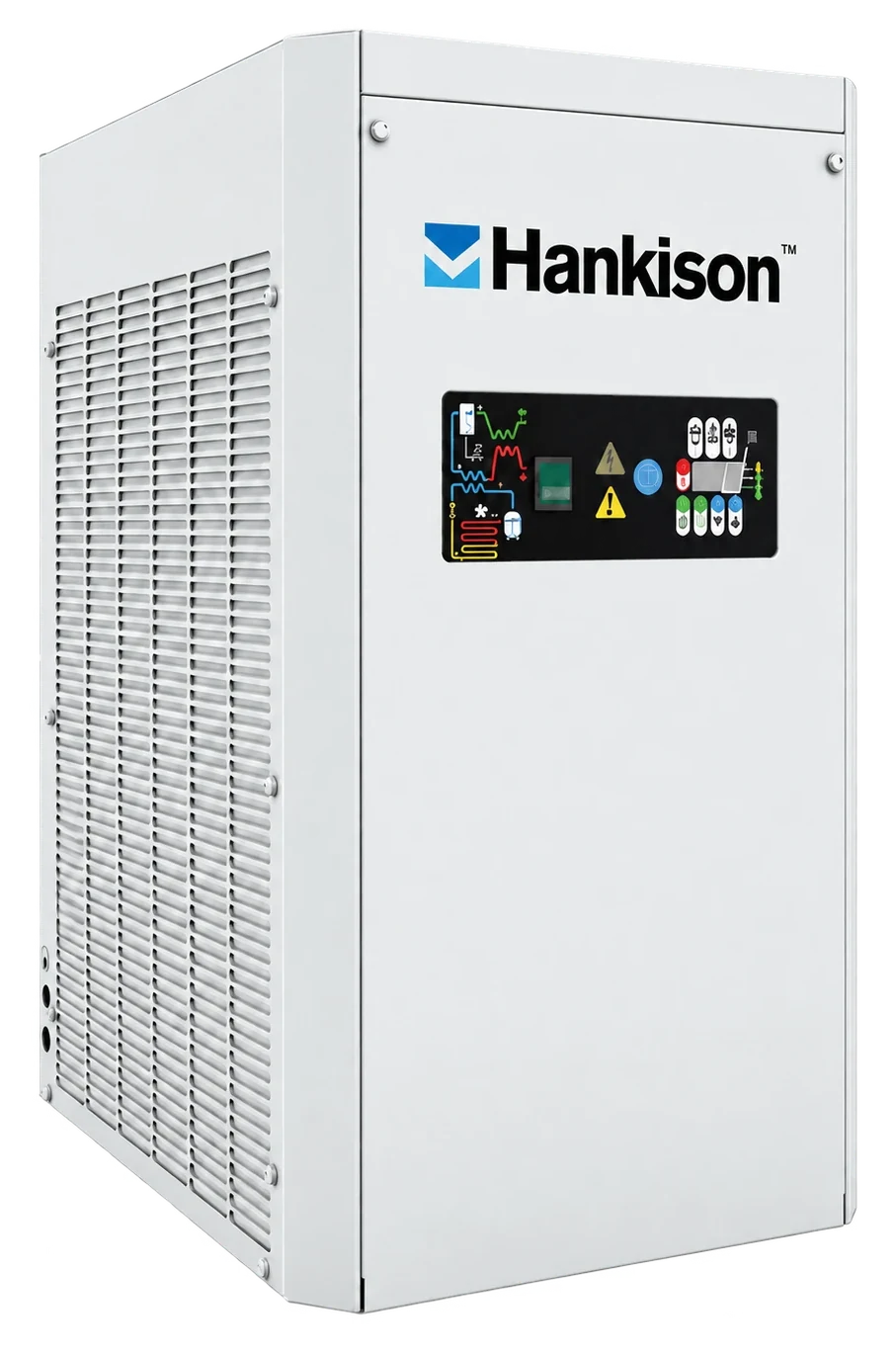
Pick the horsepower band
Each page sizes both the high-inlet-temperature route and the aftercooled route
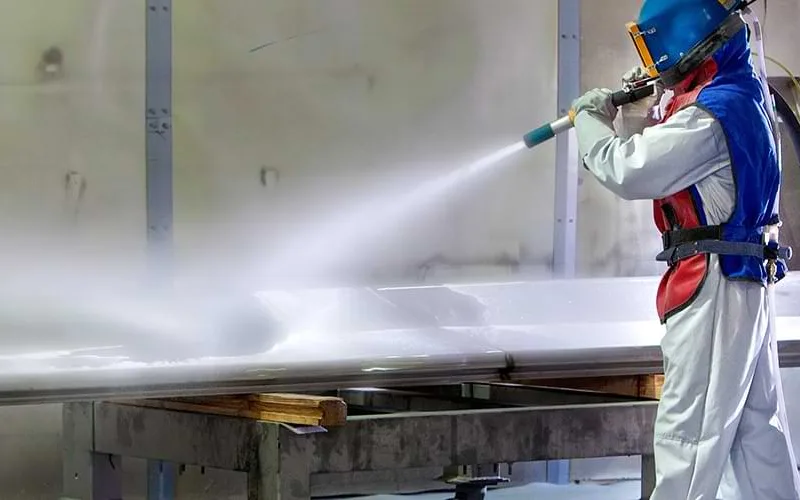
2 to 5 HP: Garage, farm and small-shop compressors delivering 7 to 20 SCFM. The 25 SCFM high-inlet-temperature dryer covers all of them straight off the tank; the 7 to 25 SCFM plug-in dryers fit where the air has been cooled.
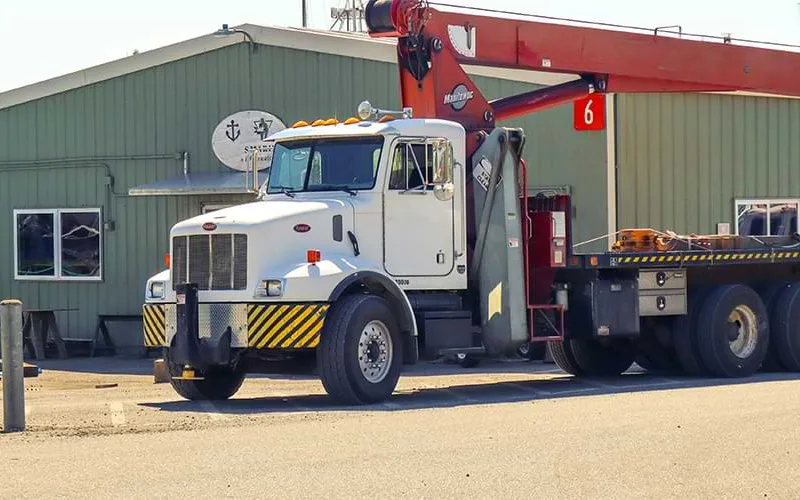
7.5 to 10 HP: The two-stage 80 gallon shop compressor class, 25 to 40 SCFM. High-inlet-temperature dryers at 35 to 60 SCFM, or the 42 to 50 SCFM standard sizes behind an aftercooler.

15 to 30 HP: Duplex and industrial piston units delivering 50 to 120 SCFM, usually aftercooled. The 65 to 150 SCFM band plus the top of the high-inlet-temperature range at 100 to 125 SCFM.
Three differences
Why a piston compressor needs its own sizing rules
1.
Hot air: 180 to 200°F at the discharge
Without an aftercooler the head discharge runs 180 to 200°F, and even after a receiver and 20 ft of pipe it often reaches the dryer at 120 to 130°F, where a standard unit is derated to 55 to 65 percent.
The high-inlet-temperature dryers are rated at 180 or 200°F inlet and deliver a 50°F pressure dew point, ISO 8573-1 class 6.
2.
Less flow: 3.5 to 4 SCFM per horsepower
A 5 hp piston delivers 17 to 20 SCFM, a 10 hp 35 to 40, a 30 hp 105 to 120.
Two-stage units at 150 to 175 psig help the dryer: at 150 psig it carries 15 percent more than its 100 psig rating.
3.
Intermittent duty: on, off, on
A piston compressor runs to a cut-out pressure and stops, so the dryer sees full compressor output for a few minutes and nothing for the next few.
The receiver and its drain do the bulk water removal, and a timed drain wastes a large share of a small compressor's output; fit a zero-loss drain on the tank.
Choosing between a high-inlet-temperature dryer and an aftercooler
Measure the air temperature where the dryer will connect, with the compressor running at its duty cycle on a warm day. Below about 115°F a standard dryer one size up handles it; between 115 and 130°F a standard dryer two sizes up or a high-inlet-temperature unit; above 130°F only the high-inlet-temperature dryer or an aftercooler will do.
The two routes give different dew points: 50°F from a high-inlet-temperature dryer, 38°F from an aftercooled standard dryer. Paint, powder and instrument air want the 38°F route; tools, lifts and blow-off are served by either.
The high-inlet-temperature route
The current series are 115 V plug-in units from 25 to 125 SCFM with a built-in separator, a zero-loss drain and an exchanger sized for 180 or 200°F air. A high-temperature particulate filter rated 450°F goes ahead of the dryer to catch the carbon and oil a hot piston head throws downstream; ordinary filter elements are limited to about 150°F.
The previous-generation high-inlet series in 20 to 125 SCFM sizes cross-references to the current 180 and 200°F lines by flow.
High inlet temperature pages
The aftercooler route
An air-cooled aftercooler on the compressor discharge brings 190°F air to within 15 to 20°F of the room, and a separator behind it catches the water that condenses. From there the receiver, a 1 micron prefilter and a standard 38°F dryer sized at 3.5 to 4 SCFM per hp complete the set.
This is the route for a piston compressor feeding a paint booth or a dental office, and for any 15 to 30 hp unit whose flow exceeds the 125 SCFM top of the high-inlet-temperature range.
Piston compressor dryer questions
Single-acting piston heads compress in one or two stages with only fins and a fan for cooling, so the discharge leaves at 180 to 200°F. A screw cools its air in an oil-flooded airend and an aftercooler; a piston unit without an aftercooler has neither.
Only if the air reaching it is at or below about 115°F, which usually means an aftercooler or a receiver and a long pipe run in between. At 180°F a standard dryer's exchanger is overwhelmed, the dew point climbs above 60°F and the refrigeration circuit runs at its high-pressure limit.
A 50°F pressure dew point, ISO 8573-1 class 6, at rated flow with 180 or 200°F inlet air. That keeps water out of tools, tire changers and blow guns; a paint booth or instrument line that needs 38°F takes the aftercooler route instead.
Higher pressure works in the dryer's favor: at 150 psig the dryer carries about 15 percent more flow than its 100 psig rating, because the air is denser and holds less water per cubic foot. Check the dryer's maximum working pressure, which is 200 to 232 psig on the small series.