
1-805-484-2992
Quotes - Engineering - SalesRefrigerated vs Desiccant Air Dryers
A refrigerated dryer cools compressed air to about 38°F, drains the water that condenses and reheats the air on its way out. It cannot go much lower because the condensate would freeze in the exchanger, so 38°F pressure dew point, ISO 8573-1 class 4, is its floor. A desiccant dryer adsorbs water vapor onto a bed of alumina or molecular sieve and regenerates the bed with purge air or heat, reaching minus 40°F, class 2, or minus 100°F, class 1.
HeatX sells refrigerated dryers. When the duty needs minus 40°F we say so, and we can source the desiccant dryer and its filtration through us rather than leave you to find it.
Where 38°F is enough, and where it is not
Water condenses in a pipe only when the pipe is colder than the air's dew point. Inside a heated building the coldest point on a compressed air line is rarely below 45°F, so air at a 38°F pressure dew point stays dry all the way to the tool, the cylinder, the spray gun or the spindle. That covers machining, assembly, packaging, blasting, woodworking, body shops and most paint lines, provided the afterfilter takes out the oil.
It is not enough where the line runs outdoors or through an unheated space in winter, where a process specifies class 1, 2 or 3 water, where instrument air follows the minus 40°F convention, or where a powder, a pharmaceutical or an electronic assembly is damaged by humidity rather than liquid water. Those are desiccant duties, and no amount of refrigerated capacity changes that.
Applications by dew point
What each costs to own
A 500 SCFM non-cycling refrigerated dryer draws about 3.2 kW and consumes nothing but filter elements. A heatless desiccant dryer on the same system uses roughly 15 percent of its rated flow as purge, so about 75 SCFM of dried air is blown to atmosphere to regenerate the beds: 15 to 20 hp of compressor running for nothing. The desiccant is replaced every three to five years, and the dryer needs a 0.01 micron coalescer ahead of it to keep oil off the beds and a 1 micron filter after it to catch desiccant dust.
The purchase price is higher too, by a wide margin at the same flow. None of that argues against desiccant where the dew point is needed; it argues against specifying minus 40°F for a plant that needs 38°F.
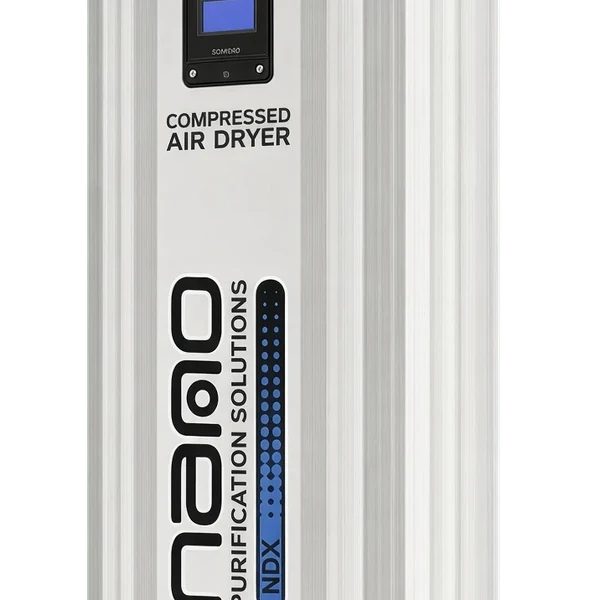
Worked example: one outdoor line in a 400 SCFM plant
Refrigerated for the plant, desiccant for the branch that needs it
- 350 SCFM indoors to tools and machines; 50 SCFM to an outdoor bulk-bag station that freezes in January
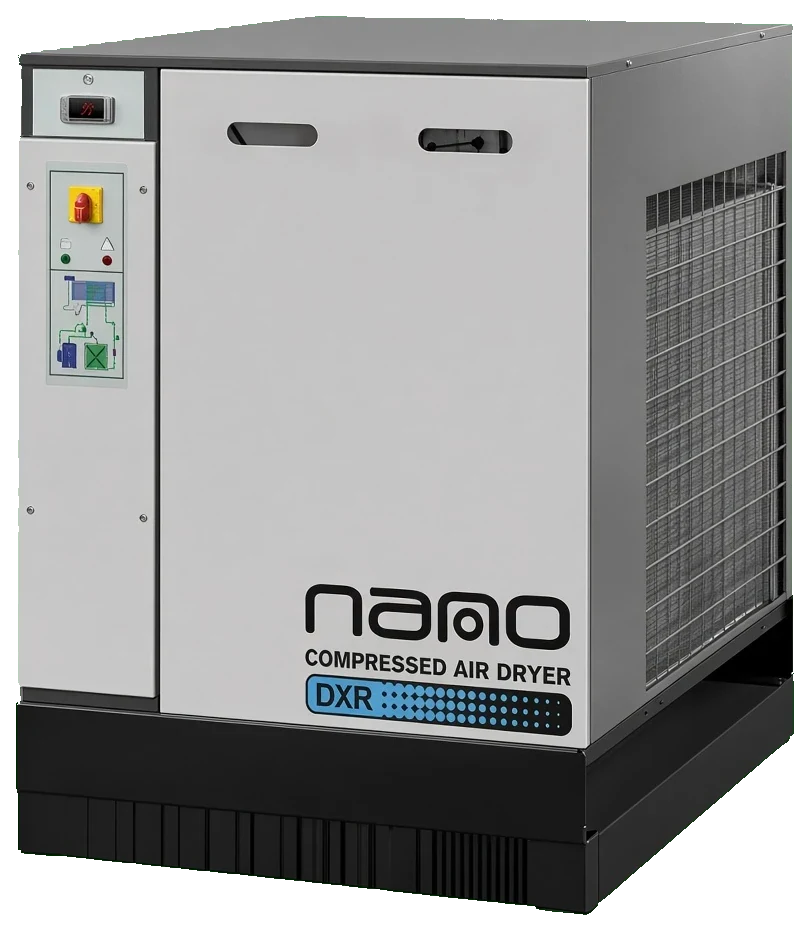
- Refrigerated DXR 0400 NA or FLXA4.5-A on the whole 400 SCFM at 38°F
- Point-of-use heatless desiccant dryer on the 50 SCFM branch, with 0.01 micron prefilter and 1 micron afterfilter
- Purge cost about 8 SCFM instead of the 60 SCFM a plant-wide desiccant dryer would waste
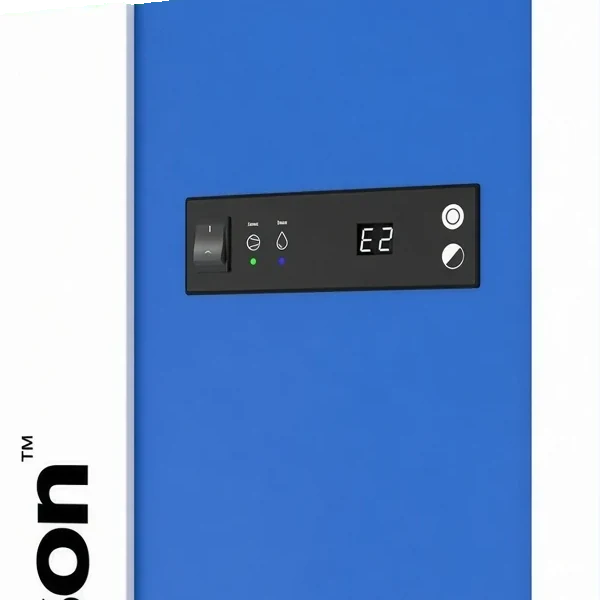
Reading a dew point requirement
Four ways the same demand gets written
- 38°F pressure dew point or ISO 8573-1 class 4: refrigerated
- Minus 40°F pressure dew point or class 2: desiccant
- Minus 40°F atmospheric dew point: about class 3, still desiccant
- No liquid water at the point of use: refrigerated, if the line stays indoors
Refrigerated against heatless desiccant at 500 SCFM
Refrigerated column: the non-cycling DXR 0500 NA. Desiccant column: a typical heatless twin-tower unit of the same rated flow, with purge and consumable figures typical of the type.
| ITEM | REFRIGERATED | HEATLESS DESICCANT | WHAT IT MEANS |
| Pressure dew point | 38°F, class 4 | Minus 40°F, class 2; minus 100°F, class 1 | Desiccant only where the line or process needs it |
| Dryer power | 3.2 kW | Controls only | The desiccant cost is purge air, not electricity |
| Purge air | None | About 15 percent of rated flow, roughly 75 SCFM | 15 to 20 hp of compressor output blown to atmosphere |
| Consumables | Filter elements | Filter elements plus desiccant every 3 to 5 years | Budget the bed change |
| Filtration | 1 micron before, 0.01 micron after | 0.01 micron before, 1 micron dust filter after | Oil ruins desiccant; dust ruins valves |
| Pressure drop | 2 to 6 psid | Higher: two towers, valves, two filters | Every 2 psi costs about 1 percent of compressor power |
| Right for | Indoor plant air, tools, machines, paint, packaging | Outdoor lines, instrument air, class 1 to 3 water | Hybrid: refrigerated for the plant, desiccant for the branch |
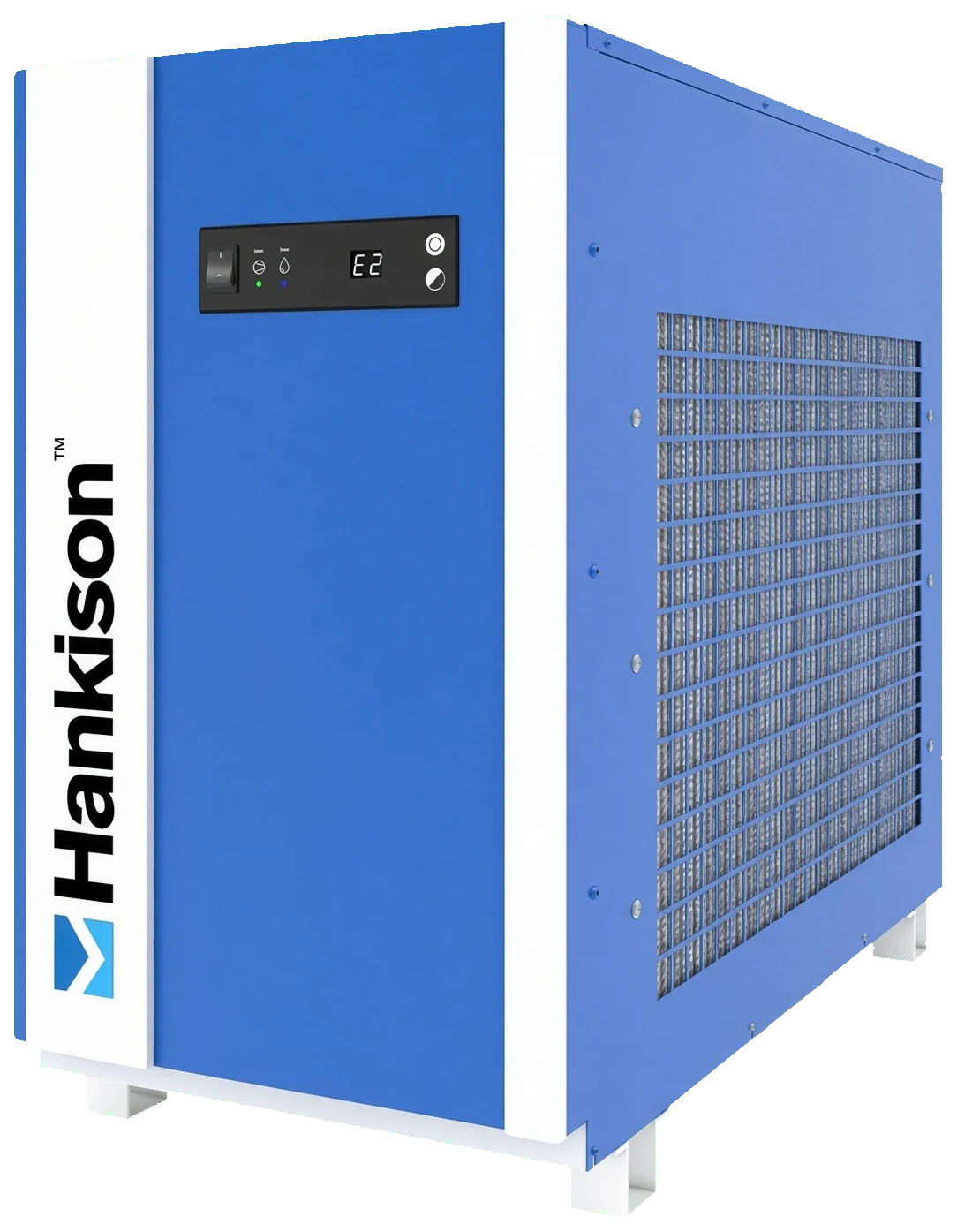
Refrigerated dryers and the monitor that proves them
How to decide
Find the coldest temperature any part of the air system will reach, including lines outside walls, through unheated docks and inside refrigerated rooms. If it stays above 40°F, a refrigerated dryer holds the air dry; if not, the section that gets cold needs desiccant-dried air. Then read the process: a written class 1, 2 or 3 water requirement, an instrument air standard, or a product that absorbs moisture means desiccant regardless of temperature. Everything else, which is most of industry, is a refrigerated duty.
The hybrid arrangement
Where one line or one machine needs minus 40°F, put the refrigerated dryer on the whole plant and a small desiccant dryer on that branch. The refrigerated dryer removes the great majority of the water first, so the desiccant unit is sized for a fraction of the plant flow and purges a fraction of what a plant-wide unit would waste. Large plants use the same idea in series on the main header to cut the desiccant dryer's regeneration load.
Mistakes we see
Specifying minus 40°F for a body shop because the spray gun manual said dry air, when the real need is class 4 air from a refrigerated dryer and a 0.01 micron filter. Running a desiccant dryer without a coalescer ahead of it and finding the beds oil-fouled in a year. Piping a refrigerated dryer's outlet across a yard in a northern winter and blaming the dryer for the ice. And leaving a desiccant dryer purging at full rate on a plant that idles at weekends, where a refrigerated dryer would have cost a third as much to run.
When we recommend desiccant
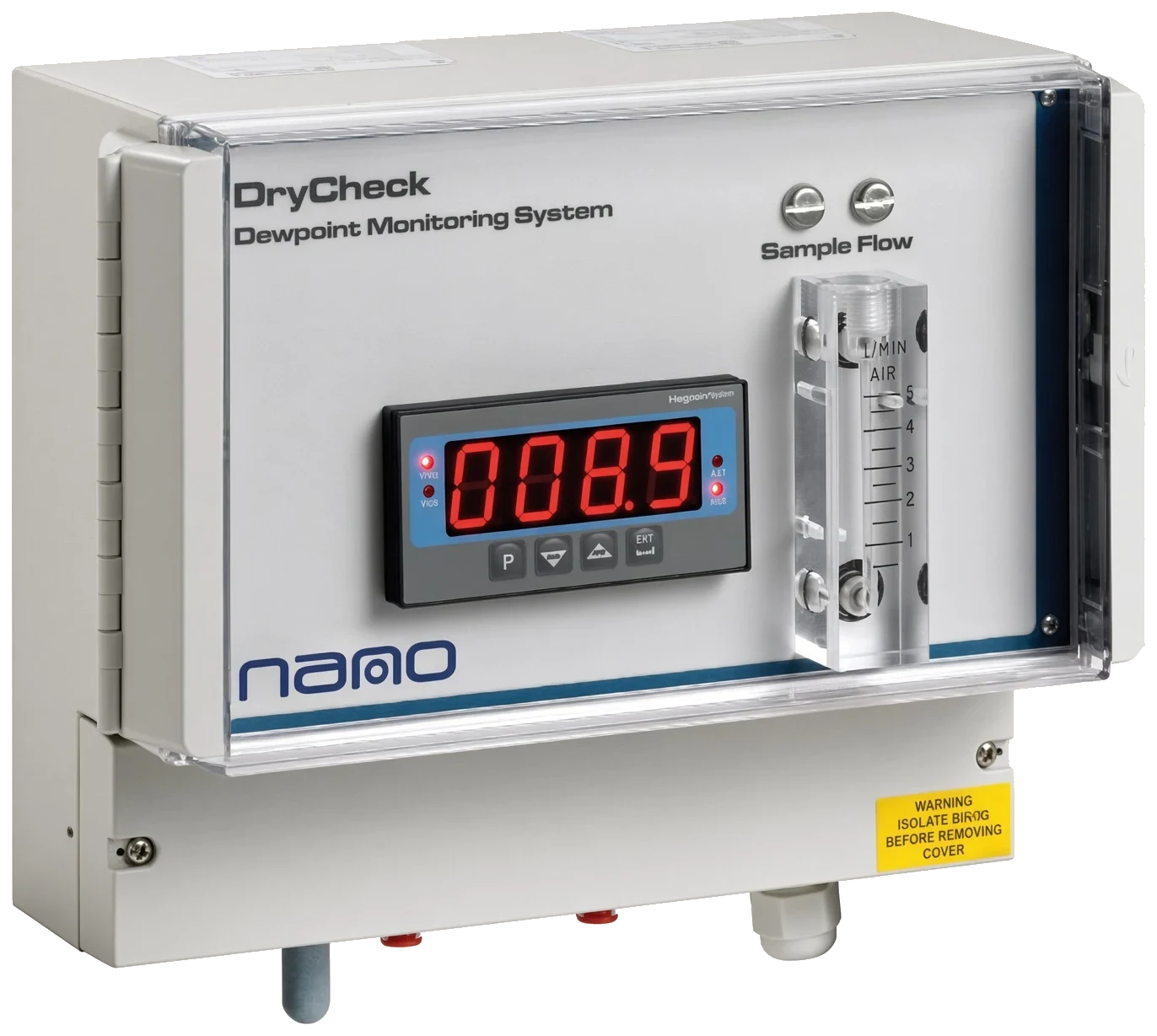
Outdoor or unheated lines below 38°F, instrument air, breathing air specified to a standard, pharmaceutical and electronics duties with a written class 1 to 3 requirement, and any process where humidity rather than liquid water is the problem. In those cases we say so on the quote, size the refrigerated dryer for the rest of the plant, and source the desiccant dryer, its prefilter and its Grade 6 afterfilter through HeatX so the system arrives matched. A PDM dew point monitor reads to minus 148°F and proves either dryer is doing its job.
Refrigerated and desiccant questions
For a booth inside a heated building, yes. Paint defects blamed on water are usually oil or liquid carryover, both of which a refrigerated dryer with a 0.01 micron afterfilter removes. Specify desiccant only where the coating supplier or a written standard calls for a lower class.
No. Its evaporator is controlled to stay just above freezing so the condensed water does not turn to ice and block the exchanger. The technology bottoms out around 35 to 38°F, and a lower requirement is a desiccant dryer by definition.
If the outdoor run sees temperatures below about 38°F, air from a refrigerated dryer will condense and then freeze in it. Either bury or heat-trace the line, or dry that branch with a desiccant unit downstream of the refrigerated dryer. The rest of the plant stays on refrigerated air.
Whenever the minus 40°F demand is a small part of the total flow. A 50 SCFM desiccant dryer purges about 8 SCFM; a 400 SCFM one purges about 60 SCFM, a 15 hp compressor running continuously for nothing. Drying the plant with a refrigerated unit and the branch with desiccant captures most of that.
Yes. We size and quote the refrigerated dryer for the plant and source the desiccant dryer with its coalescing prefilter and Grade 6 afterfilter through us, so one order covers the system. Call 1-805-484-2992 between 8am and 5pm with the flow, pressure and the dew point required.