
1-805-484-2992
Quotes - Engineering - SalesCentral Plant Compressed Air Dryers
A central plant is any compressor room that feeds a whole building through one header, whether that is a single 50 hp screw on a receiver or six 300 hp machines under a master controller. The dryer sizing question changes shape: the flow is the sum of the machines that can run at the same time, and the dryer is either one large unit after the common receiver, several in parallel, or one per compressor.
Below 250 SCFM the answer is usually a single non-cycling dryer beside the receiver; from 300 to 1,250 SCFM the cycling and water-cooled options start to pay; above that the digital-scroll, variable-speed and modular skids follow the header load.
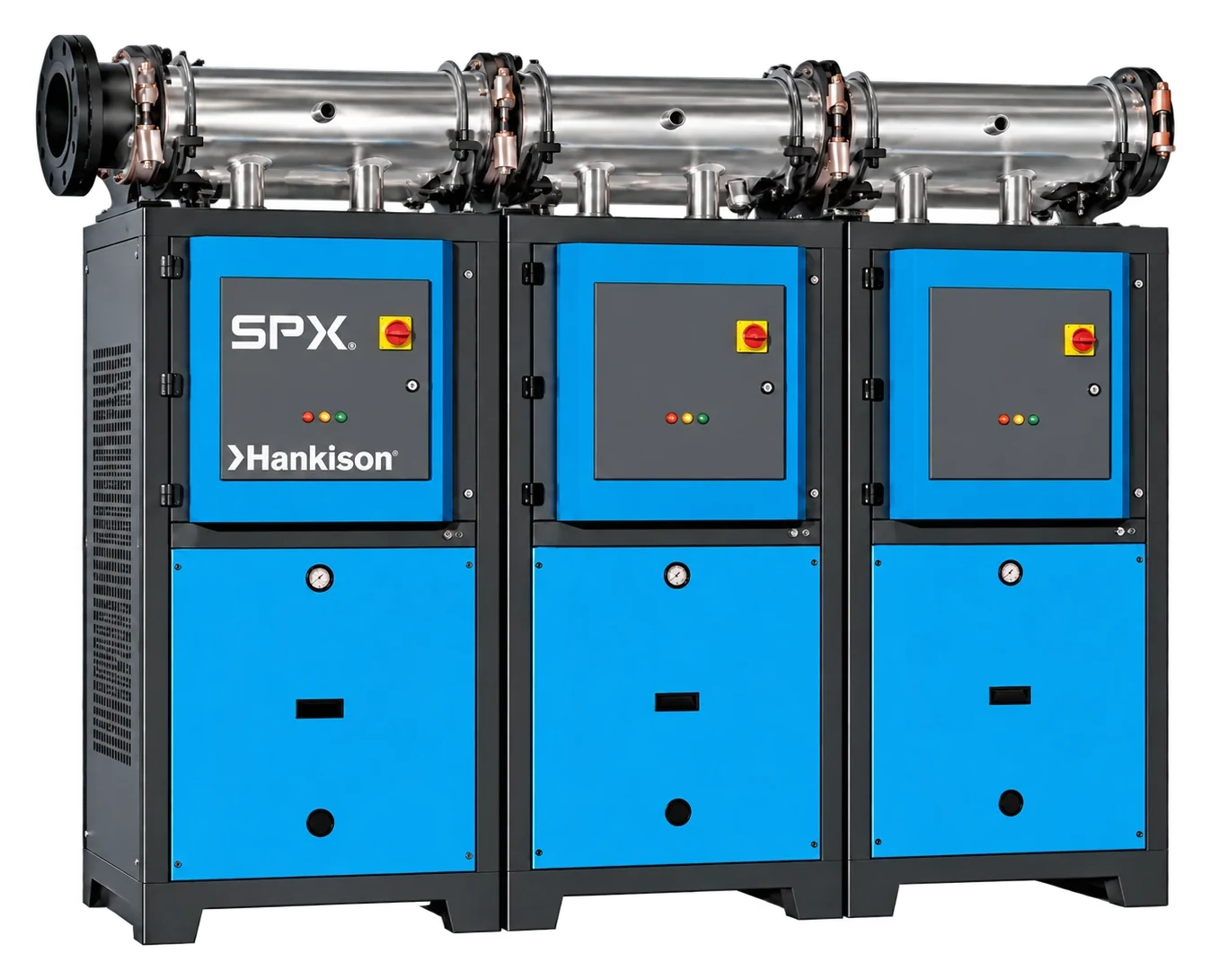
Pick the central plant situation
Each page turns the compressor room into a dryer duty, an arrangement and the series that cover it
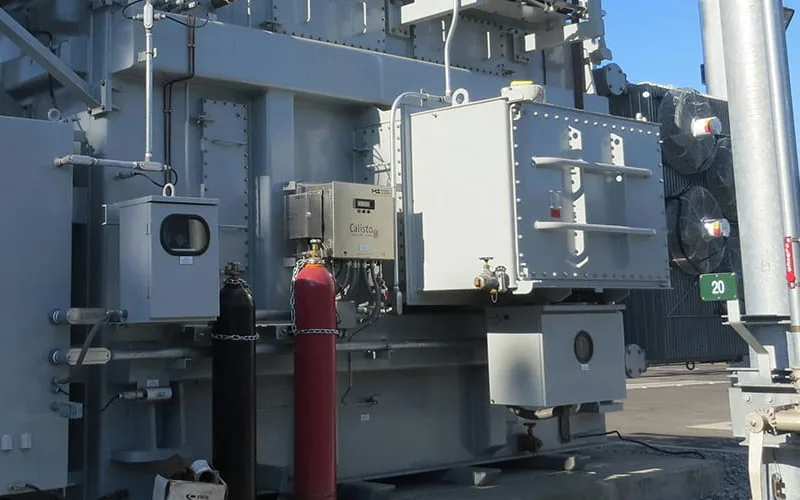
Multiple Compressors: Two to six compressors on one header, from a 2 x 50 hp lead/lag pair to a 4 x 250 hp plant. Summing the machines that run together, and choosing between one dryer after the receiver and one per compressor.
Receiver-Mounted: Dryers mounted on or beside the receiver of a 5 to 30 hp package, wet and dry receivers, and why the dryer can see more than the compressor delivers when the plant draws down the tank.
Rental & Portable: Temporary flows from 185 to 1,600 CFM rental compressors during shutdowns, breakdowns and projects: air- and water-cooled units, quick connection, outdoor ambient and diesel-compressor discharge temperatures.
Three decisions
How a central plant is dried
1.
Flow: what runs together, not what is installed
Three 100 hp compressors with one on standby are a 900 SCFM duty, not 1,350. A lead/lag pair where both run at peak is the sum of both; a variable-speed trim machine counts at its maximum.
Add 10 percent for the compressor the plant is already talking about.
2.
Arrangement: one dryer, two in parallel, or one per compressor
One dryer after the wet receiver is cheapest per SCFM and simplest to pipe, but it is a single point of failure. Two dryers at 60 percent each keep the plant dry with one down.
One dryer per compressor keeps each package self-contained, at the cost of more drains, filters and bypasses.
3.
Control: fixed, cycling or modulating
A plant loaded above 70 percent around the clock runs a non-cycling dryer; a plant that drops to half load on nights and weekends pays back a cycling or digital-scroll unit in one to three years.
Above 2,000 SCFM water cooling cuts dryer power by about a third and takes the condenser out of the room's heat.
Reading a compressor room before sizing the dryer
Start with the controllers: they log loaded hours per machine and show which compressors are sequenced to run together at the plant's peak, which gives the flow. Then read the aftercooler outlet temperatures and the room temperature on a summer afternoon; a compressor room with six machines and marginal ventilation is often 15°F warmer than the plant floor.
Finally, look at the receivers. A wet receiver before the dryer drops bulk water and smooths the load steps; a dry receiver after it stops the dryer being overrun when the plant draws down storage faster than the compressors deliver.
One dryer or several
A single dryer sized for the whole header is the lowest first cost, and with a full-size bypass it can be serviced while the compressors keep the plant alive on undried air for a day. Plants that cannot accept a wet day, food, pharmaceutical, powder coating and instrument air among them, install two dryers at 60 percent each or a modular skid with a spare module.
One dryer per compressor makes sense where the compressors are in different rooms or were bought at different times. Each needs its own prefilter, afterfilter, bypass and drains, and check valves keep one compressor's air out of another's idle dryer.
Piping, filtration and drains at plant scale
The order is compressors, aftercoolers, wet receiver, prefilter, dryer, afterfilter, dry receiver, header, with a bypass around the filter-dryer-filter set. Filter housings from 1,000 SCFM up are ASME vessels holding several elements, and their pressure drop is part of the plant's pressure budget.
A central plant makes condensate by the gallon per hour in summer, and a timed drain on any collection point vents compressed air the plant paid for. Zero-loss drains on each point, piped to an oil-water separator, are standard practice at this scale.
Central plant dryer questions
No, for the compressors that can run at the same time at the plant's peak. Standby machines are excluded and a variable-speed trim compressor counts at its full output. Installed horsepower only matters if the sequencer can bring every machine on together.
One dryer costs less per SCFM, takes less space and has one set of filters and drains; two dryers at 60 percent each keep the plant dry while one is serviced. Choose by what a wet day costs the plant, not by the dryer price.
An air-cooled dryer's capacity falls to about 75 percent at 120°F ambient and its condenser may trip on high pressure, so either the room is ventilated, the condenser air is ducted from outside, or the dryer is water-cooled. Above 800 SCFM the water-cooled build is usually the cleaner answer.
Now, if the addition is funded; a dryer one size larger costs far less than a second dryer and its piping later. If the addition is speculative, choose a modular or parallel arrangement that can take a second unit on the same header.