
1-805-484-2992
Quotes - Engineering - SalesRefrigerated Air Dryers for CNC & Machining
A machining center uses compressed air in four places that all hate water: the spindle air purge and air-oil bearing lubrication, the tool changer and chuck cylinders, the air blast that clears chips off the part, and the probe and gauge lines. Water in any of them shows up as a rusted spindle taper, a sticking drawbar, chips welded to a wet part face or a probe that drifts.
A refrigerated dryer holding a 38°F pressure dew point takes the shop air below the temperature of any surface it will touch, so nothing condenses inside the machine. For a machine shop that is the whole requirement; the desiccant class of dryer is only needed where the line runs outdoors or the air feeds a laser.
Sizing follows the compressor, not the machine: a 25 hp rotary screw feeding six machining centers is a 110 to 125 SCFM dryer duty, and the dryer goes at the compressor room, after the receiver, so the whole shop gets dry air. Point-of-use dryers only make sense for one machine on a long run from a wet header.
Machine shops run two shifts with the compressor loaded most of the time, which is the case where a non-cycling dryer costs nothing extra to run. A cycling dryer earns its premium when the shop idles nights and weekends with the compressor still up.
Request a machine-shop dryer quote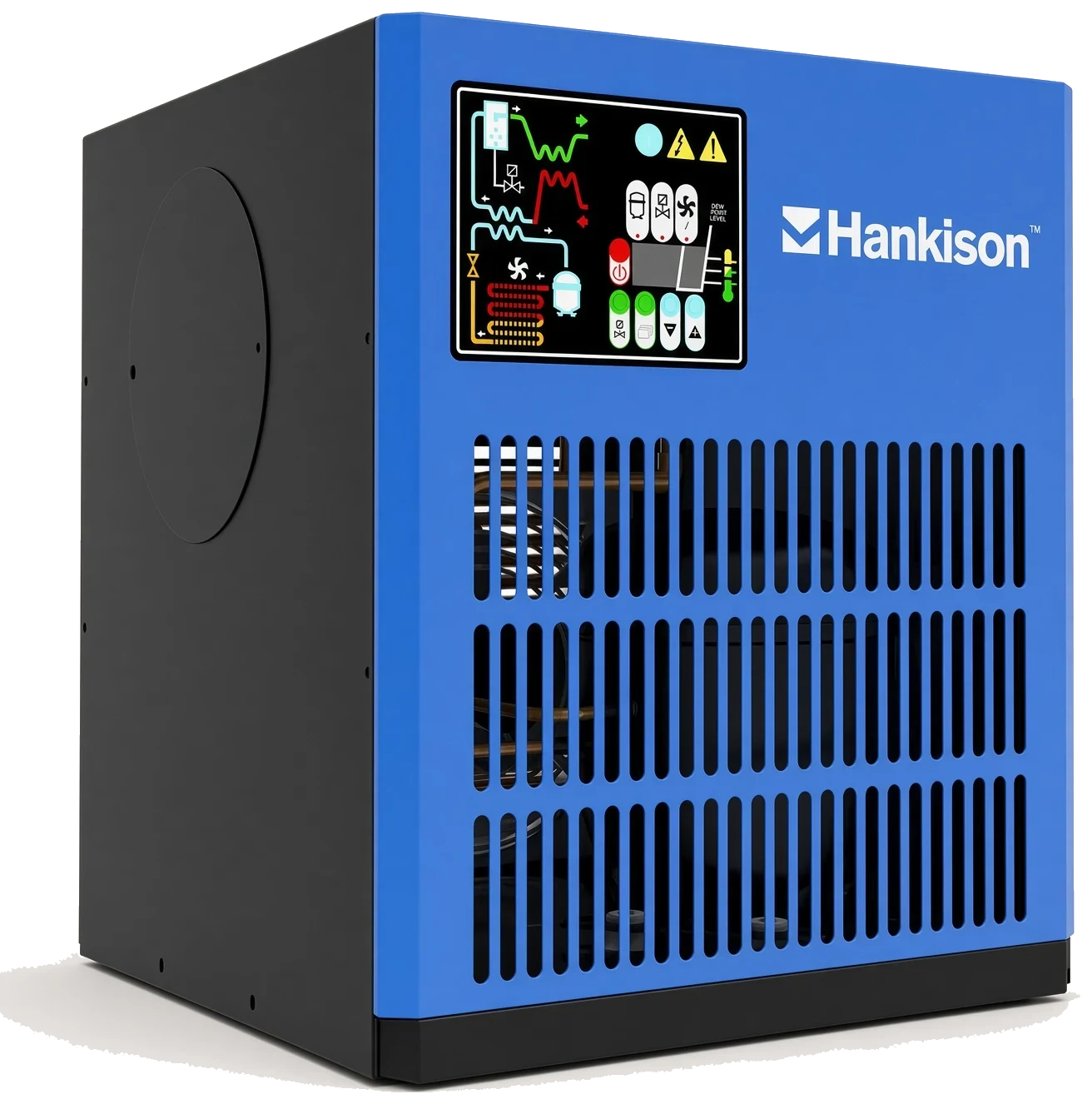
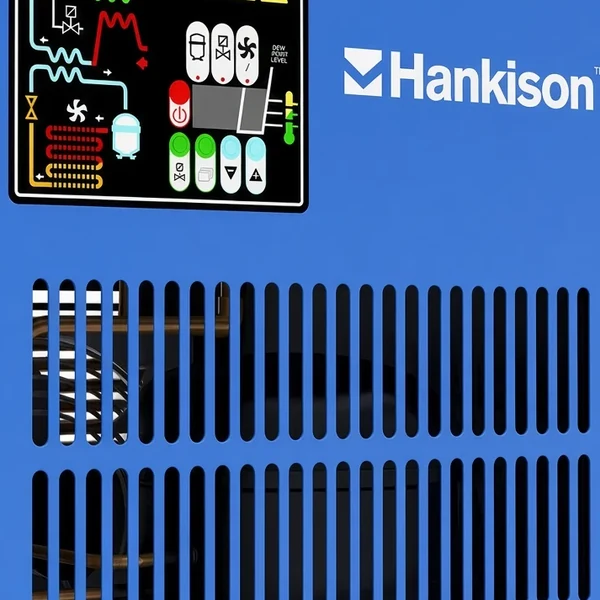
What water does inside a machine tool
The failures a wet air line causes, and how long they take
- Spindle taper and drawbar corrosion within a season of wet purge air
- Tool changer cylinders sticking as water washes the lubricant out
- Air blast leaving a film that ruins a surface finish or a coating step
- Probe and gauge readings drifting as condensate collects in the lines
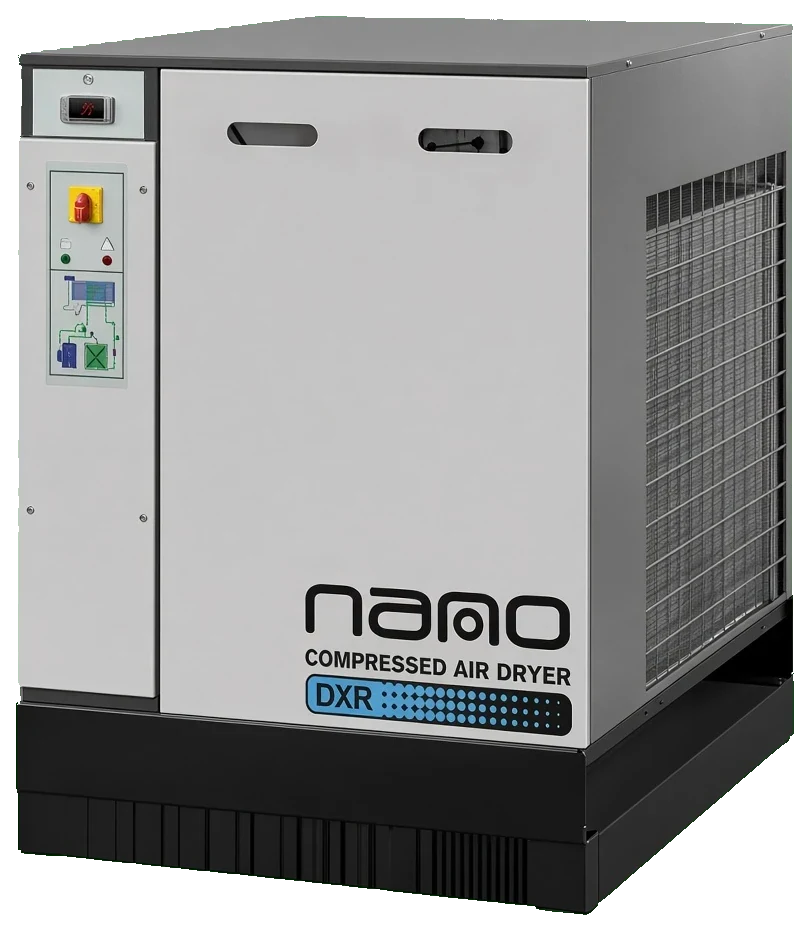
The dryer specification for a machine shop
What to ask for and what to skip
- 38°F pressure dew point, ISO 8573-1 class 4; class 3 desiccant only for laser or outdoor lines
- Dryer sized to the compressor's full output at the room temperature of the compressor area
- A 1 micron prefilter ahead of the dryer and a 0.01 micron oil-removal filter behind it
- A zero-loss drain so the dryer does not bleed air every 30 seconds through a timer
Dryers that fit a machine shop
Flow ranges at 100 psig and 100°F inlet. A 15 to 50 hp screw compressor lands in the 65 to 250 SCFM band; larger shops with a 60 to 150 hp compressor use the 300 to 700 SCFM sizes.
| SERIES | TYPE | FLOW RANGE | MAX INLET | MAX PRESSURE |
| HPRB Series | Non-Cycling | 7 to 50 SCFM | 120°F | 200 psig |
| DXR Series | Non-Cycling | 10 to 4,200 SCFM | 131°F | 203 psig |
| FLXA Series | Cycling | 75 to 2,000 SCFM | 120°F | — |
| TMC Series | Thermal Mass Cycling | 30 to 635 SCFM | 140°F | 210 psig |
| NXC Series | Cycling | 20 to 2,000 SCFM | 158°F | 232 psig |
| GFN Series Filters | Compressed Air Filter | 6 to 1,500 SCFM | — | 232 psig |
| NGF Series Filters | Compressed Air Filter | 20 to 1,500 SCFM | — | 250 psig |
| ND Series Zero-Loss Drains | Condensate Drain | Call for sizing | — | 290 psig |
Tell us the compressor horsepower and how many machines hang on it; we size the dryer and the filter pair in one pass.
The dryer is only as good as the aftercooler in front of it
Every refrigerated dryer is rated with 100°F air arriving at its inlet. A rotary screw compressor with a working aftercooler delivers air 15 to 20°F above the room, which on a hot day is right at the rating point. A compressor whose aftercooler is plugged with dust delivers 140°F air and the dryer loses close to half its capacity without anyone changing a setting.
Before sizing up a dryer that seems to be failing on hot days, put a thermometer on the pipe between compressor and dryer. If it reads more than about 105°F the answer is usually a cleaned or added aftercooler, not a bigger dryer.
- Measure inlet temperature on the hottest afternoon of the year
- Clean the compressor aftercooler before resizing the dryer
- Keep the pipe between compressor and dryer short and uninsulated
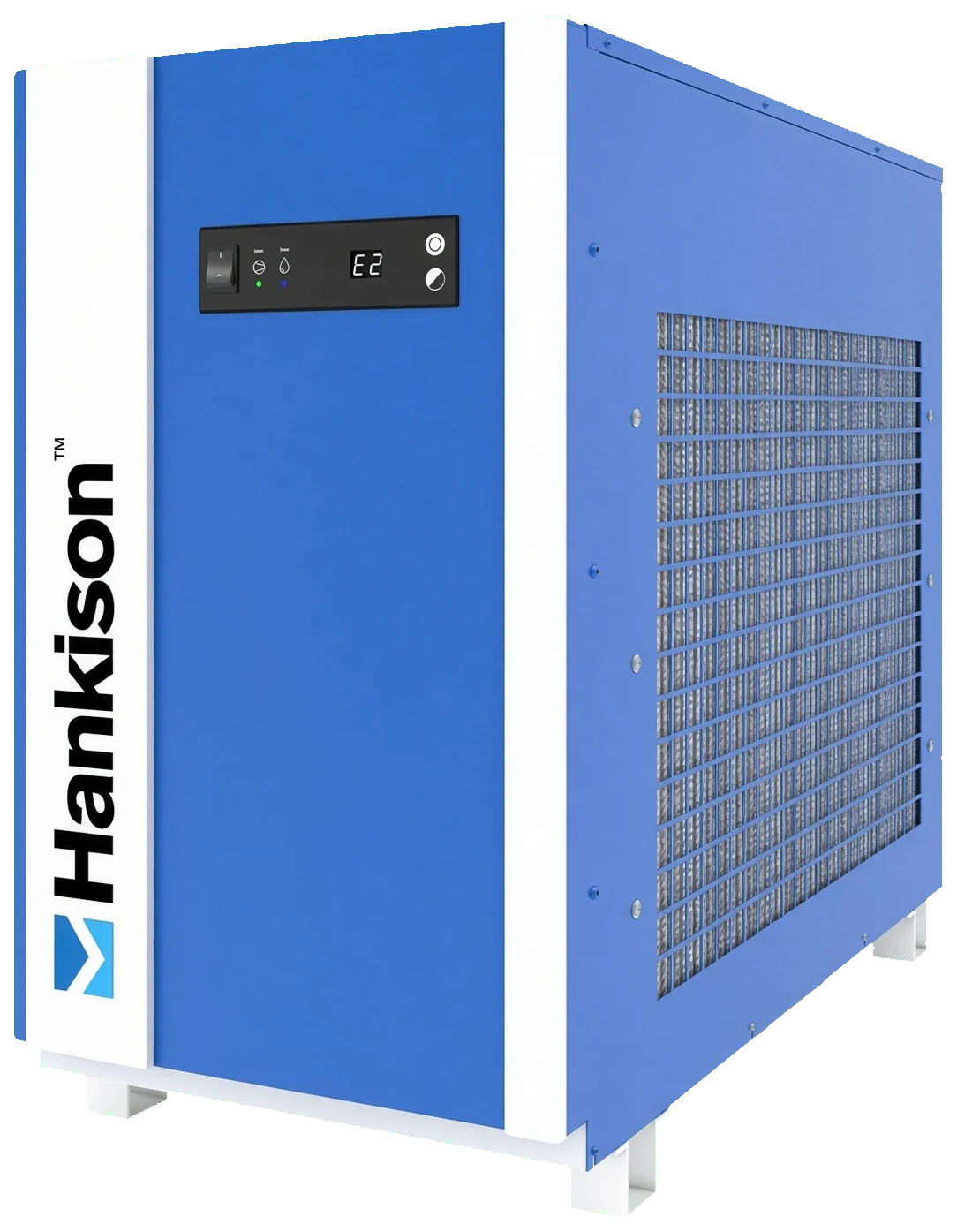
Where the dryer goes
Compressor, aftercooler, receiver, prefilter, dryer, afterfilter, then the header. The receiver ahead of the dryer smooths the flow and drops out the bulk of the water, which is why the dryer should never be piped straight off the compressor discharge. In a shop that grew one compressor at a time, put the dryer downstream of the point where all the compressors join, sized for their combined output, or run one dryer per compressor if they are in different rooms.
Sizing the dryer for a machine shop
Take the compressor nameplate delivery, not the horsepower guess, and check the compressor room temperature on a summer afternoon. A dryer rated at 100°F ambient loses about 20 percent of its capacity at 110°F. A 25 hp screw delivering 106 SCFM in a 105°F compressor room wants the 125 or 150 SCFM dryer, not the 105. The ambient correction page gives the factors.
Cycling or non-cycling for a machine shop
A two-shift shop with the compressor loaded 70 percent of the time gets almost nothing back from a cycling dryer; the non-cycling unit is cheaper to buy and simpler to keep. A job shop that runs days only, with the compressor idling overnight to hold pressure for the CMM room, saves real power with a cycling dryer because the refrigeration compressor stops while the thermal mass carries the small night load. Run the numbers both ways on the cycling versus non-cycling page.
Filtration for machine tools
Machining centers with air-oil spindle lubrication need clean air more than most: the 0.01 micron oil-removal filter behind the dryer keeps compressor oil out of the spindle bearings, where it would mix with the metered lubricant and change its viscosity. Put the prefilter before the dryer where the air is cool and the water has dropped out, and change elements on pressure drop, not the calendar.
Machine shop air drying questions
Not for machining. A refrigerated dryer's 38°F dew point is well below any temperature inside a climate-controlled shop, so water cannot condense in the machine. Desiccant drying is reserved for laser cutting assist air, lines that run outdoors in winter, and a few instrument applications.
A 25 hp screw delivers about 100 to 110 SCFM, so the 125 SCFM dryer at a normal room temperature or the 150 SCFM size for a hot compressor room. The compressor's actual delivery figure beats the horsepower rule of thumb every time.
Only when one machine sits on a long run from a wet header, or when it needs a lower dew point than the rest of the shop. Everywhere else one dryer at the compressor room after the receiver is cheaper, easier to maintain and dries the whole plant.
Usually because the air was dried and then reheated and re-cooled: an uninsulated line through a hot roof space, or a dryer that is undersized on hot days and letting warm wet air through. Check the dryer outlet dew point on a hot afternoon before looking further.
A 1 micron coalescing prefilter goes immediately ahead of the dryer and a 0.01 micron oil-removal afterfilter immediately behind it. Both should be sized for the compressor's full flow with a pressure drop under 2 psi when clean.
More on drying shop air
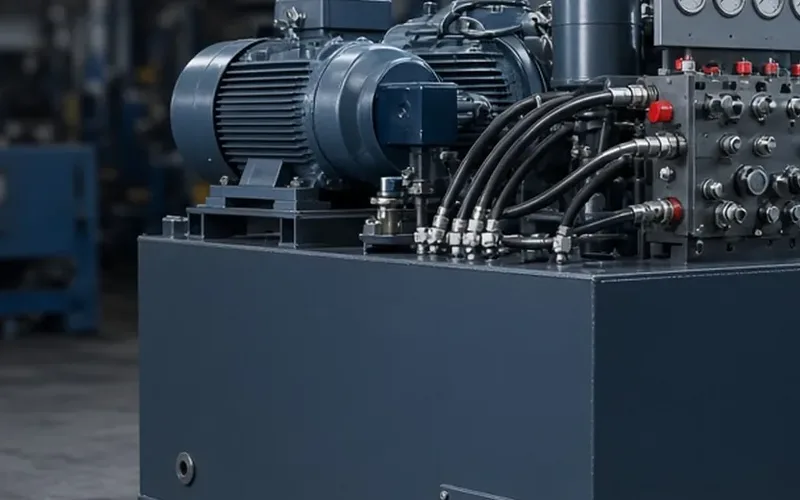
Dryers for 15 to 50 hp rotary screw compressors
The compressor sizes most machine shops run, matched to the dryer band that fits them.
Learn More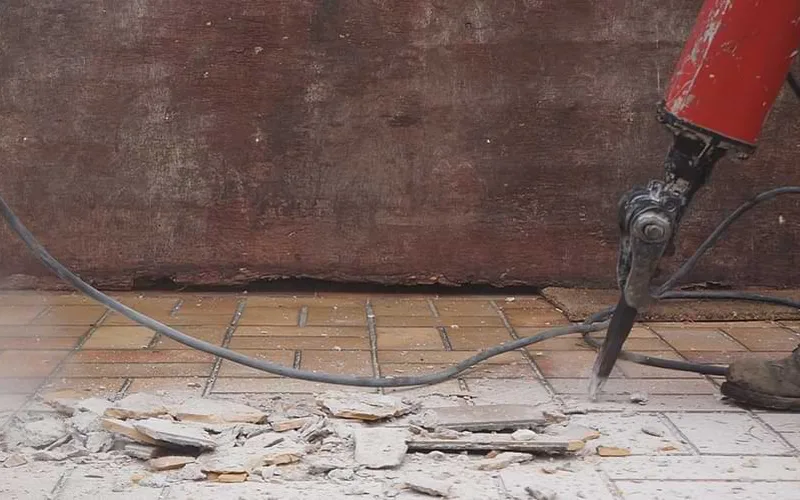
Pneumatic Tools & Controls
Compressed air drying for air tools, cylinders, valve manifolds and pneumatic controls: what water does to each and which dryer band fits.
Learn More
Laser & Plasma Cutting
Compressed air for plasma tables and fiber laser assist gas: where a refrigerated dryer is enough and where a desiccant stage is required.
Learn More