
1-805-484-2992
Quotes - Engineering - SalesThree duties outside the 100 psig, 100°F rating point
Every standard refrigerated dryer is rated at 100 psig and 100°F inlet, and its exchanger, condenser and pressure vessel are designed around that point. Three common situations fall outside it by a wide margin, and each has its own family of dryers built for the condition rather than derated toward it.
Hot inlet air is the small-compressor case: a 2 to 30 hp piston compressor with no aftercooler discharges at 180 to 200°F, ten times the water of 100°F air, and a standard dryer trips or passes it through. High inlet temperature dryers of 20 to 125 SCFM carry a larger condenser and exchanger, a separator ahead of the chiller and a drain sized for the volume, and deliver a 50°F dew point from air that would overwhelm a standard unit.
High pressure is the PET blow-molding case and every 200 to 725 psig process line: the dryer's air side must carry 680 or 725 psig, so the exchangers are stainless tube-in-tube or brazed plate built for the pressure, from 30 to 3,000 SCFM. Ultra-high pressure takes the same idea to 1,200, 3,625, 5,000 and 6,000 psig in eight flow sizes from 20 to 275 SCFM, with an all-stainless air path and 1/2 in NPT connections for cylinder-filling, test-stand and gas duty.
State the inlet temperature or the working pressure with the flow and we quote the model; on these pages the condition is the first question, not the last.
Dryers for piston compressors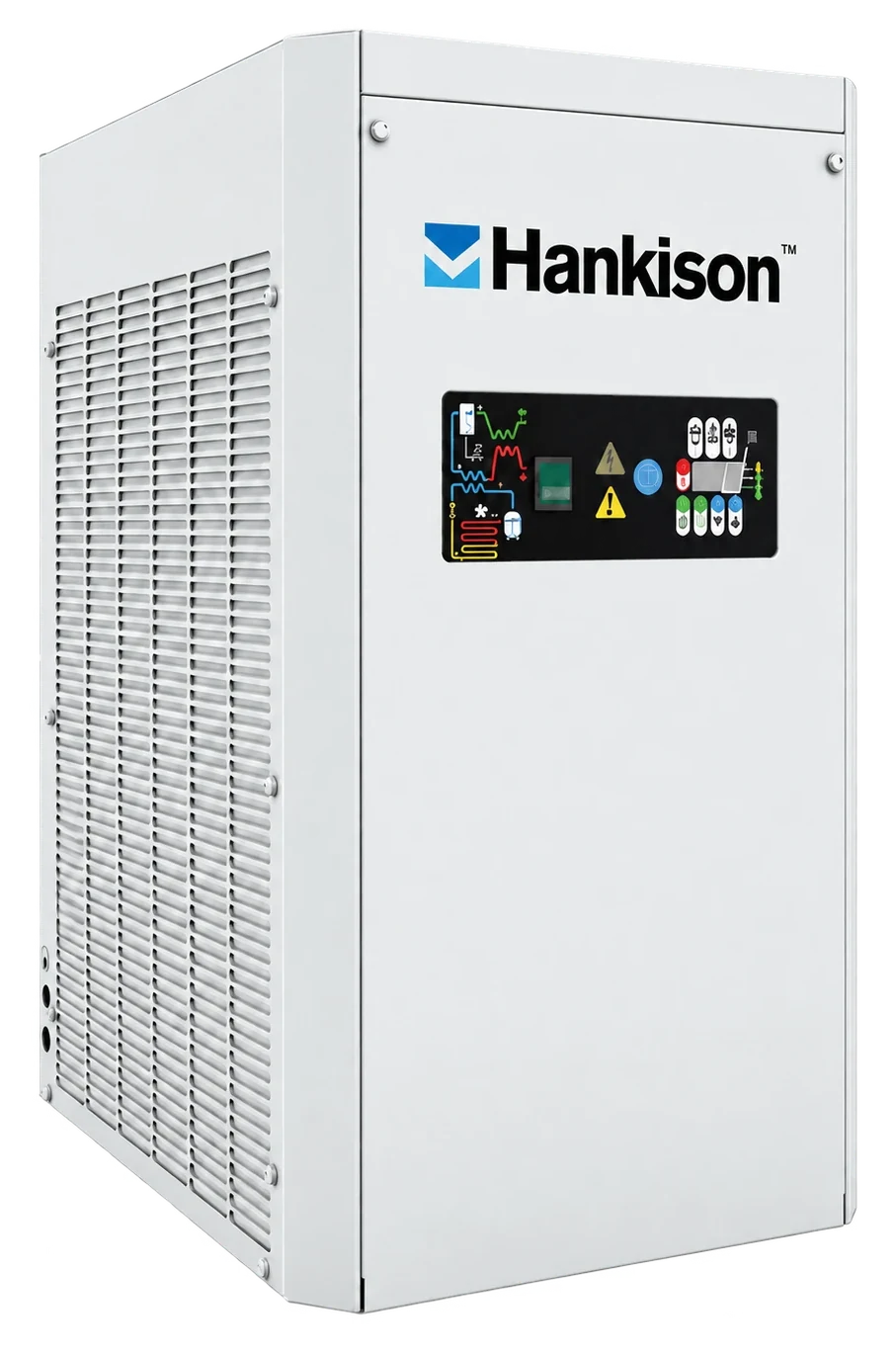
Three special duties
Each topic page lists every model in its series with the condition it is rated for
High Inlet Temperature 20 to 125 SCFM:
180 to 200°F air from piston compressors without aftercoolers
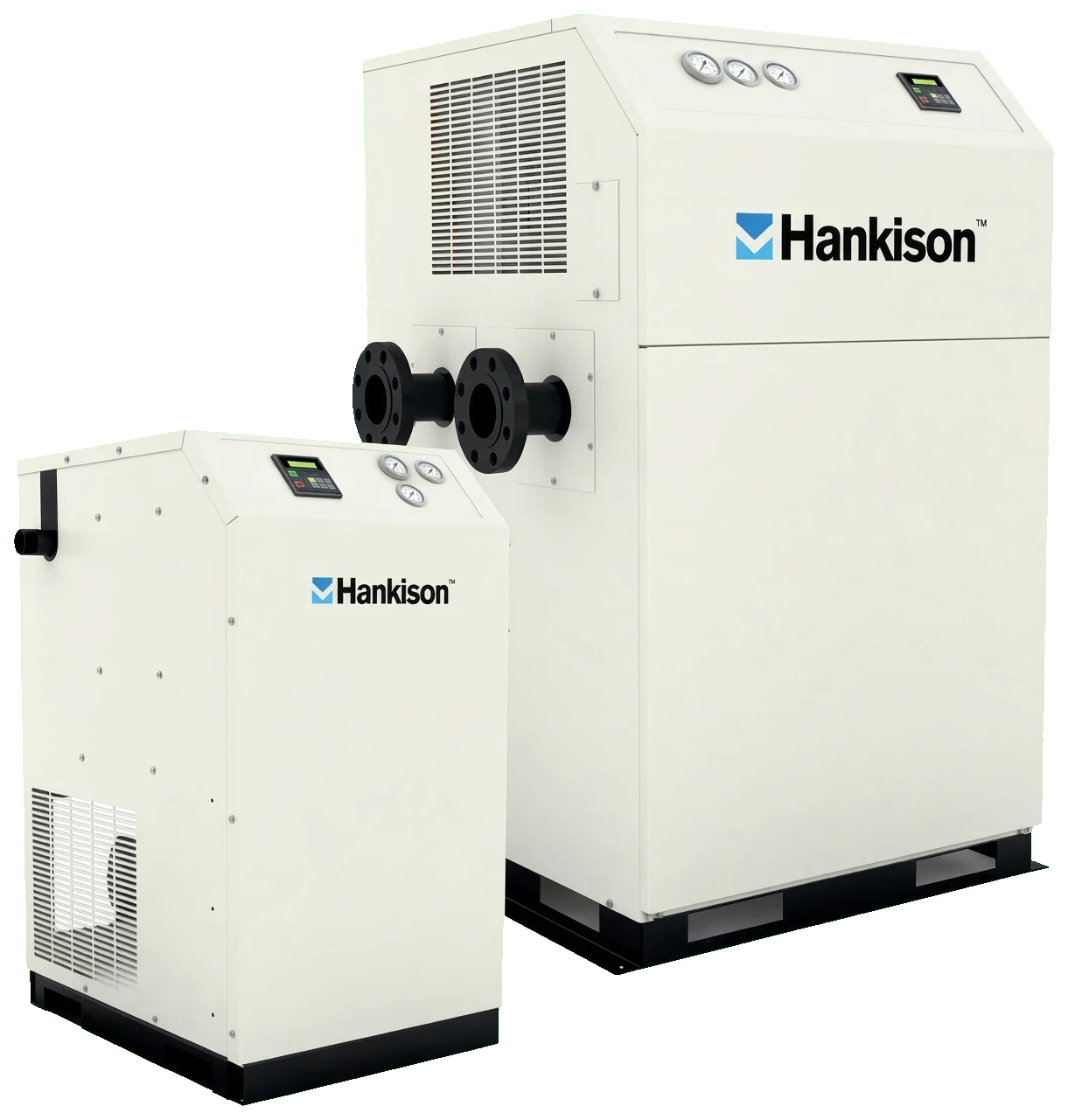

Every special duty series, current and previous generation
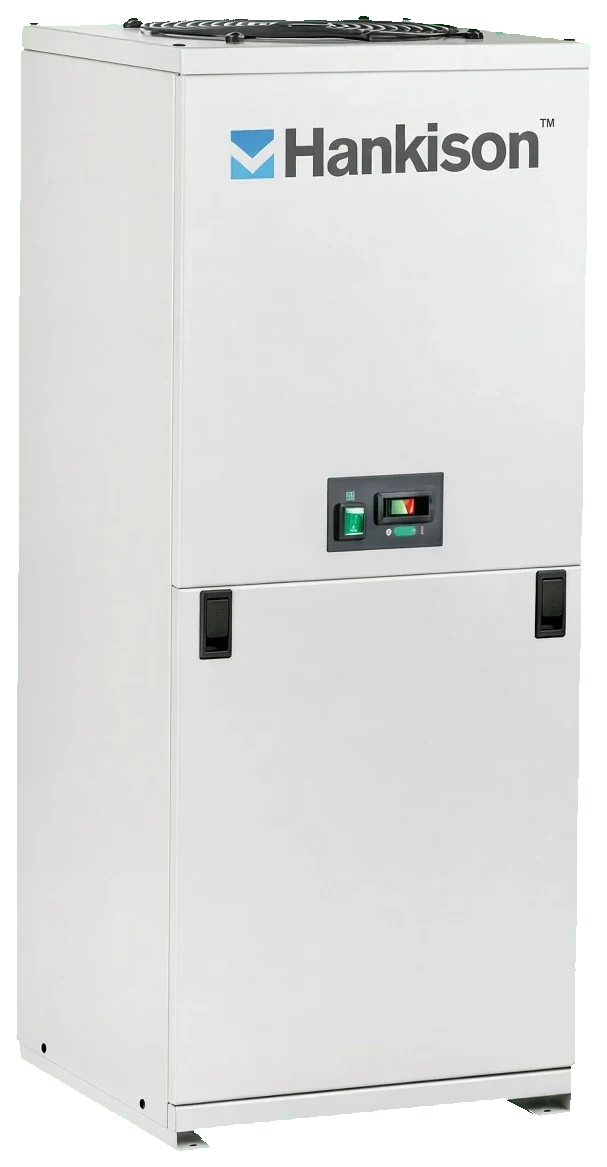
HITN Series: High-inlet-temperature dryer, 20 to 125 SCFM, built for 180°F air straight off a piston compressor; previous generation.
20 to 125 SCFM · High Inlet Temperature · 227 psig max inlet · 180°F max inlet
HRHT Series: Current high-inlet-temperature dryer, 25 to 100 SCFM, rated for 200°F inlet air from reciprocating compressors with no aftercooler.
25 to 100 SCFM · High Inlet Temperature · 200°F max inlet · R513A
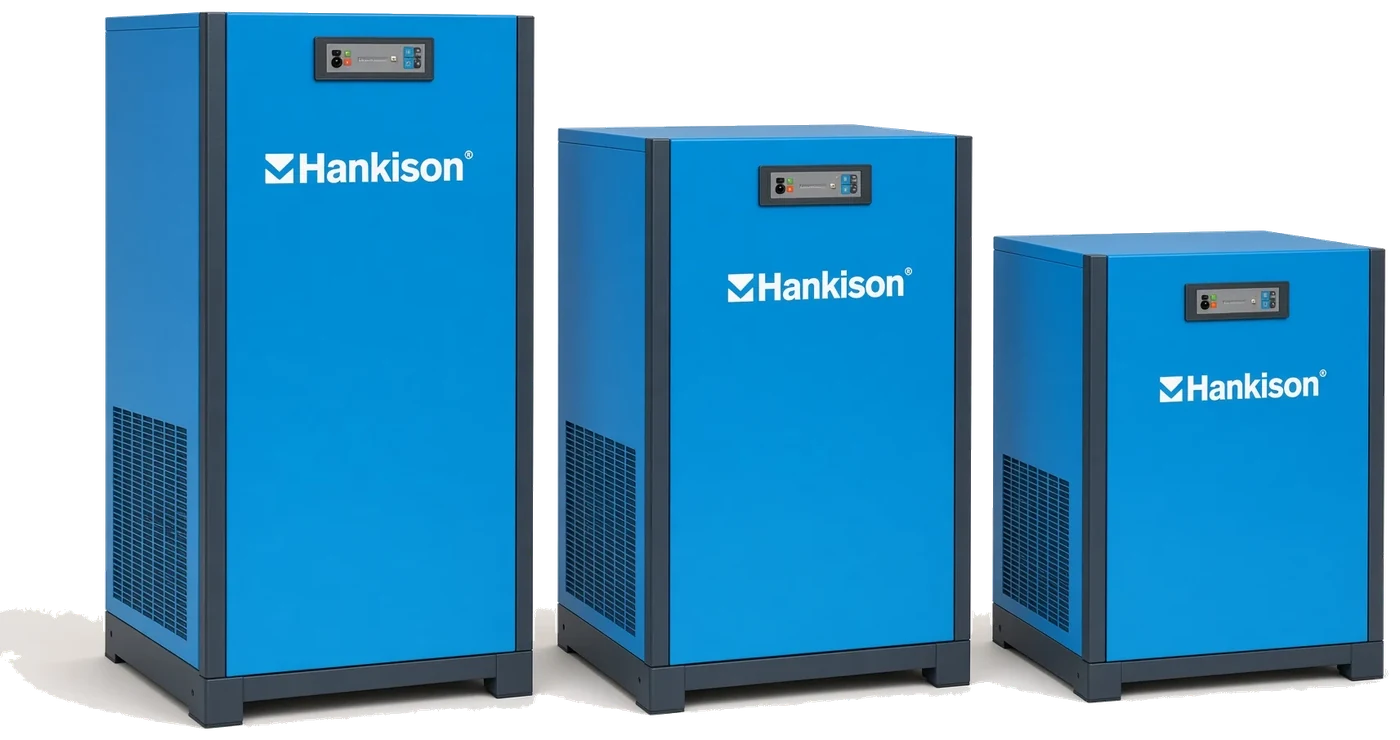
HPET Series: High-pressure dryer for PET blow molding and 725 psig lines, 30 to 3,000 SCFM; previous generation, cross-referenced to the HHPR Series.
30 to 3,000 SCFM · High Pressure · 725 psig max inlet · HFC (type not stated on the datasheet)
HHPR Series: Current high-pressure dryer rated 680 psig for PET blow molding and high-pressure process air, 115 to 2,400 SCFM.
115 to 2,410 SCFM · High Pressure · 680 psig max inlet · 120°F max inlet
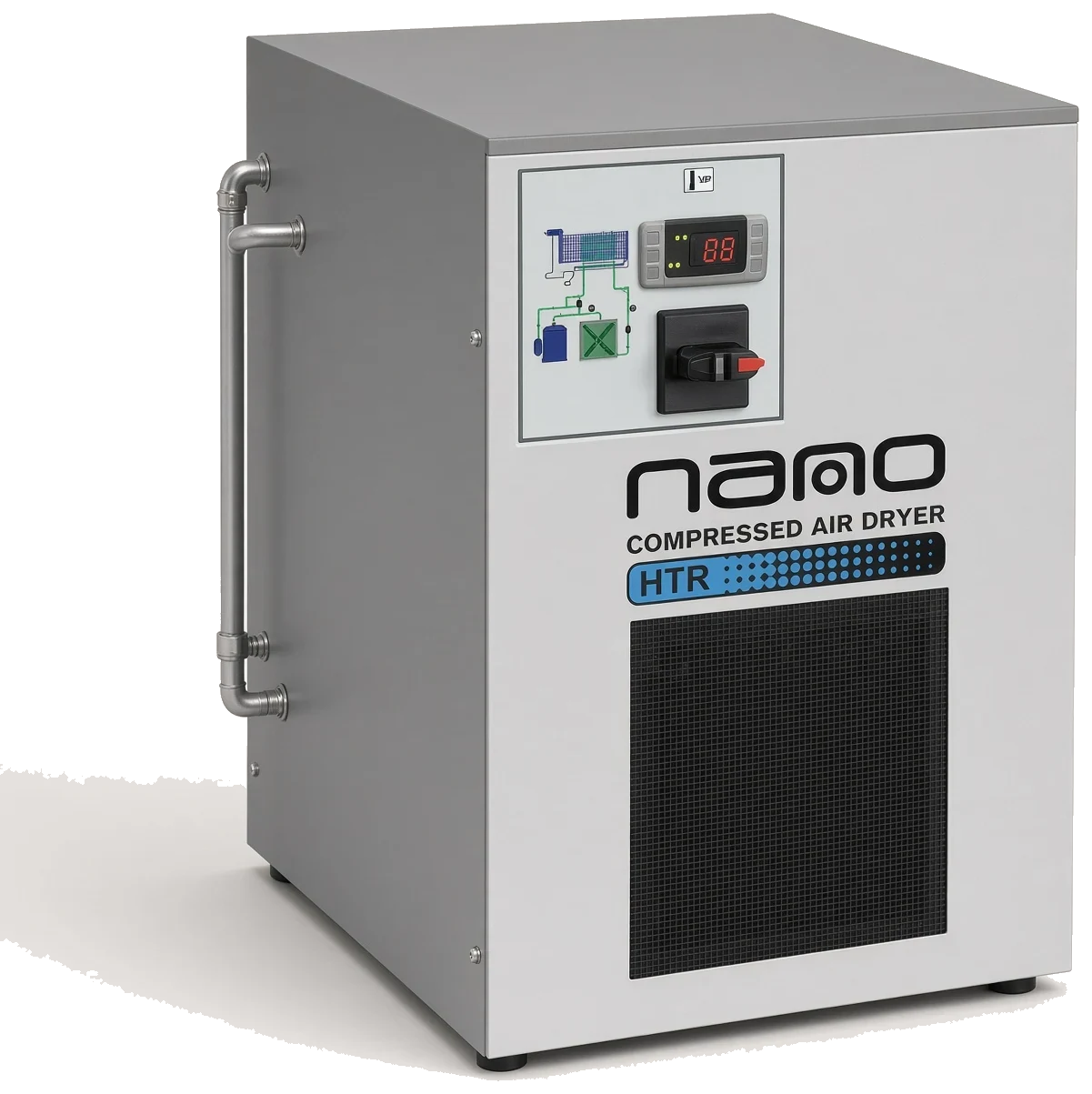
HTR Series: High-temperature direct-expansion dryer, 25 to 125 SCFM, for 180°F inlet air from piston compressors on shop and service-bay duty.
25 to 125 SCFM · High Inlet Temperature · 232 psig max inlet · 180°F max inlet

APET Series: High-pressure dryer built for 500 and 725 psig PET and process lines, 45 to 1,000 SCFM.
45 to 1,000 SCFM · High Pressure · 725 psig max inlet · 120°F max inlet
AXHP Series: Ultra-high-pressure dryer in four pressure ratings to 6,000 psig, 20 to 275 SCFM, for high-pressure test, breathing-air and process systems.
20 to 275 SCFM · Ultra-High Pressure · 6,000 psig max inlet · 120°F max inlet
Selection notes
Three checks before ordering a special duty dryer
1.
Measure the condition
Put a thermometer on the pipe at the dryer inlet on a hot day, or read the booster's discharge gauge at full load. A single-stage piston compressor at 175 psig can exceed 200°F; a PET booster set at 580 psig can spike higher against a closed valve.
The dryer is chosen for the worst case, not the nameplate.
2.
Decide what dew point the process needs
High inlet temperature dryers deliver 50°F, class 6, which is plenty for tools and service bays but not for paint. High and ultra-high pressure dryers deliver 38 to 41°F at pressure.
Where class 4 air is needed from a hot piston compressor, an aftercooler and a standard dryer are the better route above about 30 hp.
3.
Match the accessories to the rating
Filters, drains and bypass valves must carry the dryer's pressure and temperature rating: a 450°F particulate filter ahead of a hot-inlet dryer, Class 300 or high-pressure fittings on a PET line, and timed drains rated to 6,000 psig on the ultra-high-pressure systems.
The accessories section lists them by rating.
Special duty dryer questions
Anything above the 120 to 140°F limit of a standard dryer, which in practice means a reciprocating compressor without an aftercooler discharging at 180 to 200°F. Rotary screw packages with a working aftercooler deliver 100 to 115°F air and use standard dryers.
No. Standard dryers are rated 200 to 232 psig and their exchangers and separators are not built for higher pressure. The high-pressure series carry 680 and 725 psig ratings and are the only refrigerated dryers on the site for a PET booster or a 500 psig process line.
Because SCFM is a standard-condition figure and at 725 psig the same air occupies about a sixth of the volume it does at 100 psig. The exchanger handles a small actual volume, so a 1,000 SCFM high-pressure dryer is physically closer to a 200 SCFM plant-air unit.
It is the first stage. At 38°F pressure dew point the air is dry enough for storage and charging, and the purification cartridges that make it breathing air last far longer behind it, but oil vapor, carbon monoxide and the final dew point still need the purifier.
The 200°F series replaces the retired 180°F dryer from 25 to 100 SCFM, and the 680 psig series replaces the retired 725 psig dryer across its range. Every retired part number is listed with its successor.