
1-805-484-2992
Quotes - Engineering - SalesWhat a rental compressor asks of its dryer
Round numbers on the nameplate, hot air from a diesel unit, an ambient nobody controls
Rental compressors are rated in whole numbers, 185, 375, 750, 900 or 1,600 CFM at 100 to 150 psig, and a dryer for temporary duty is sized from that figure with margin for the conditions: a towable diesel unit without an aftercooler can discharge air well above 150°F, and a dryer standing in a yard sees whatever the weather brings.
185 CFM towable
- Tool air for a crew, 100 psig
- Dryer size 185 to 200 SCFM
- 230 V single phase, moves on a hand truck
375 to 750 CFM
- Blasting, backup for a 75 to 150 hp plant compressor
- Dryer size 400 to 800 SCFM
- 460 V three phase, forklift pockets
900 CFM at 150 psig
- Pressure factor 1.15 works in the dryer's favor
- Dryer size 800 SCFM
- Check the dryer's maximum working pressure
1,600 CFM and twin units
- Plant backup for 300 hp and up
- Dryer size 1,600 to 2,000 SCFM, flanged
- Water-cooled skid where tower water is at hand
Rental compressor to dryer size
Rental nameplate flow treated as delivered SCFM. The cooled column assumes an aftercooled rental unit delivering about 100°F air; the hot column applies the 0.65 factor for a diesel unit without an aftercooler delivering 120°F air after a hose run.
| RENTAL COMPRESSOR | NAMEPLATE FLOW | DRYER SIZE, AFTERCOOLED | DRYER SIZE, 120°F INLET | DRYER BAND |
| 185 CFM diesel towable | 185 CFM at 100 psig | 185 to 200 SCFM | 300 SCFM | 65 to 250 SCFM |
| 375 CFM diesel | 375 CFM at 100 psig | 400 SCFM | 600 SCFM | 300 to 1,250 SCFM |
| 750 CFM diesel | 750 CFM at 100 psig | 800 SCFM | 1,250 SCFM | 300 to 1,250 SCFM cycling |
| 900 CFM diesel, 150 psig | 900 CFM at 150 psig | 800 SCFM (factor 1.15) | 1,250 SCFM | 300 to 1,250 SCFM |
| 300 hp electric rental screw | 1,290 to 1,380 SCFM | 1,500 to 1,600 SCFM | 2,000 to 2,200 SCFM | 1,600 to 4,200 SCFM |
| Two 750 CFM units on one manifold | 1,500 CFM at 100 psig | 1,600 SCFM | 2,400 to 2,500 SCFM | 1,600 to 2,000 SCFM cycling |
Air-cooled units that move on a forklift
From 185 to 1,250 SCFM the direct-expansion and phase-change cycling dryers are self-contained air-cooled cabinets with NPT or 3 in flanged connections on a 230 V or 460 V feed, and the digital-scroll line adds continuous modulation from 600 SCFM. They need shade, rain cover and an ambient between about 40 and 110°F.
- DXR Series: Direct-expansion non-cycling dryer in 27 sizes from 10 to 4,200 SCFM; the widest single range on the site, with a full data sheet behind every model.
- FLXA Series: Current cycling dryer, 75 to 2,000 SCFM, air- or water-cooled, with low-GWP refrigerants and a heat-transfer cycling control that follows the load.
- AES Series: Digital-scroll cycling dryer from 600 to 10,000 SCFM in air- and water-cooled builds, matching refrigeration capacity to demand continuously.
Water-cooled skids for the largest temporary flows
Where the plant has tower water at the tie-in point, the water-cooled builds from 800 SCFM up ignore the yard temperature and draw up to a third less power; the modular skids and multi-circuit digital-scroll and variable-speed units cover 2,500 to 12,500 SCFM for a full plant backup.
- FLX Series: Modular water-cooled cycling dryer skid for 3,000 to 12,000 SCFM, built from paired 1,500 and 2,000 SCFM modules.
- HES Series: Energy-saving digital-scroll dryer from 2,500 to 12,500 SCFM for central plants, modular above 3,750 SCFM.
- VDR Series: Variable-speed dryer from 2,600 to 8,450 SCFM whose inverter-driven compressor tracks plant load; air- and water-cooled versions.
Connecting a dryer on temporary duty
The job is to get dry air into the plant header by the end of the day, so the hose, the power and the drains are settled before the dryer arrives.
Rental compressors discharge through hose ends, so the dryer gets a short manifold with hose adapters on its inlet and outlet, a separator or wet receiver ahead of it to knock out the water a long hose run condenses, and a 1 micron prefilter to catch the rust and oil a rental machine sheds. Diesel units without an aftercooler deliver hot air: add a temporary aftercooler, or size for a 120°F inlet as the table shows. Check the dryer's maximum working pressure against a 150 psig rental unit; the plant-size dryers are rated 203 to 232 psig.
Power is a 460 V three-phase drop sized to the nameplate; dryers to 150 SCFM run on 115 V and the 185 to 230 SCFM sizes on 230 V single phase. Refrigerated dryers are not weatherproof, so put the unit under a roof or a temporary shelter, out of direct sun, and remember it cannot run below about 40°F ambient without its condensate freezing. Pipe the drains to a container or an oil-water separator, and fit a bypass so the rental compressor can feed the plant while the dryer is moved or serviced.
A 750 CFM diesel rental unit with an aftercooler is the 800 SCFM dryer; without one, and hosed straight to the dryer, it is the 1,250.
Size a dryer for a rental compressor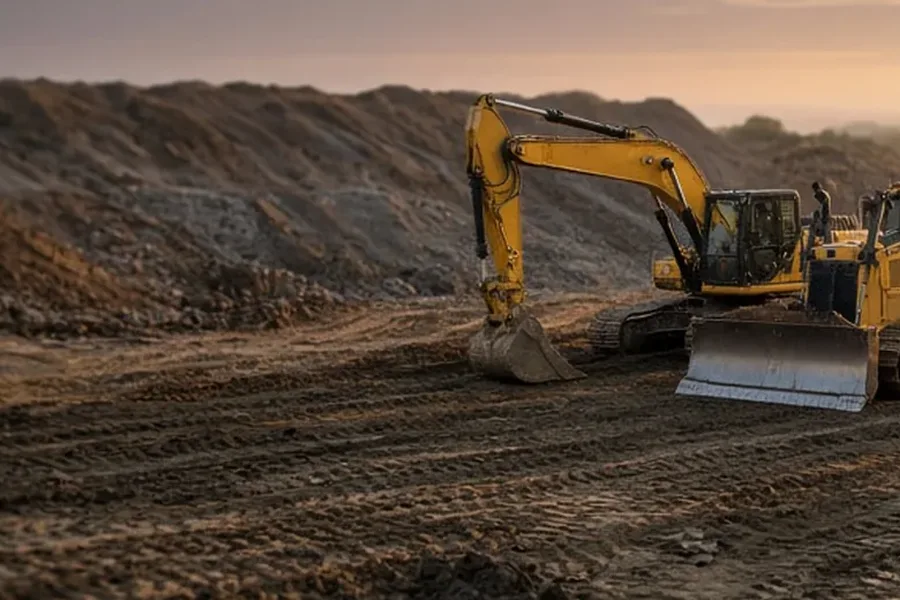





Rental and portable compressor dryer questions
Under cover, yes. The cabinets are not weatherproof and the condenser needs shade, and the ambient must stay between about 40 and 110°F; in summer heat the 0.88 or 0.75 ambient factor applies and in winter the condensate can freeze. A temporary shelter or a corner of the compressor building solves most of it.
Often. Many towable units have no aftercooler and discharge at 150°F or more, and even 50 ft of hose only brings that down to about 120°F. Size the dryer with the 0.65 inlet factor or rent the compressor with an aftercooler, which is the cheaper fix.
If the plant normally runs dry air, the header, valves and instruments were designed for it, and two weeks of wet air will leave water in the low points and rust in the lines long after the rental unit has gone. Size the temporary dryer as you would the permanent one, from the rental compressor's nameplate.
Abrasive blasting is served by a refrigerated dryer at 38°F in a warm climate, since it keeps the media dry and the nozzle from clogging. Pipeline and vessel drying to a specified dew point is a desiccant job at -40°F, with the refrigerated dryer ahead of it to take out the bulk water.
A 460 V three-phase feed; a 1,000 SCFM non-cycling dryer draws about 6 kW and the cycling equivalent 4 to 6 kW at full load. Units to 150 SCFM plug into 115 V and the 185 to 230 SCFM sizes take 230 V single phase, which a small site can usually supply from a temporary panel.