
1-805-484-2992
Quotes - Engineering - SalesWhat Compressed Air Carries Into a Process
A compressor takes in room air with whatever humidity the day brings and squeezes it to one eighth of its volume. The water vapor comes along, but at 100 psig the air can hold only about one eighth as much of it, so the rest condenses as soon as the air cools. A 25 hp rotary screw on a humid summer day pulls in close to eight gallons of water in a shift. The aftercooler and receiver condense about three quarters of it; the remaining two gallons travel toward the dryer as saturated vapor, along with a fine aerosol of compressor lubricant and whatever dust passed the intake filter.
The 38°F Line
A refrigerated dryer chills the air to about 38°F, condenses the vapor that cannot stay in the air at that temperature, drains it, and reheats the air on the way out. Air leaving at a 38°F pressure dew point stays dry until it meets a surface colder than 38°F, and inside a heated building that never happens. That is why a refrigerated dryer is the correct answer for machine shops, paint booths, packaging halls, tire bays and most of the other applications on these pages. The ISO 8573-1 label for it is class 4, and the filters around the dryer set the oil and particle classes.
Where Refrigerated Is Not Enough
Some applications reach past 38°F. Air lines that run outdoors in winter, into a 35°F beer cellar or a chilled packaging room, and assist air for a fiber laser or a pharmaceutical fill line all need a desiccant dryer at –40°F or lower, usually with a refrigerated dryer ahead of it doing the bulk of the work. The detail pages say so where it applies instead of stretching a refrigerated dryer past what it can do. The refrigerated versus desiccant page sets out the split.
How the Detail Pages Are Built
Each page opens with the air-using equipment on the line and what water and oil do to it, then gives the typical compressor size and flow, the dew point and ISO 8573-1 class the application needs, where the dryer and filters go, whether the duty favors a cycling or a non-cycling dryer, and a table of the series that fit with links to their ratings and part numbers. If your process is not listed, the nearest page is the right starting point and a call to 1-805-484-2992 settles the rest.
The Five Application Sections
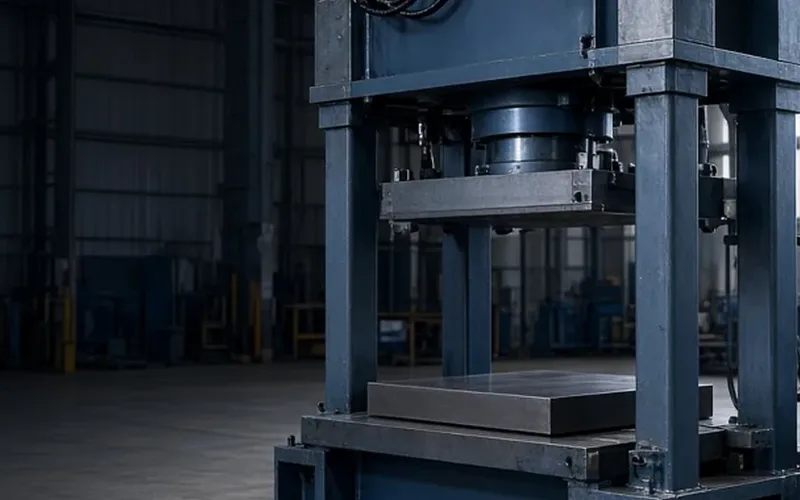
Manufacturing: Refrigerated air dryers for manufacturing: pneumatic tools, CNC, laser and plasma, robotics and blasting, by compressor size and dew point.
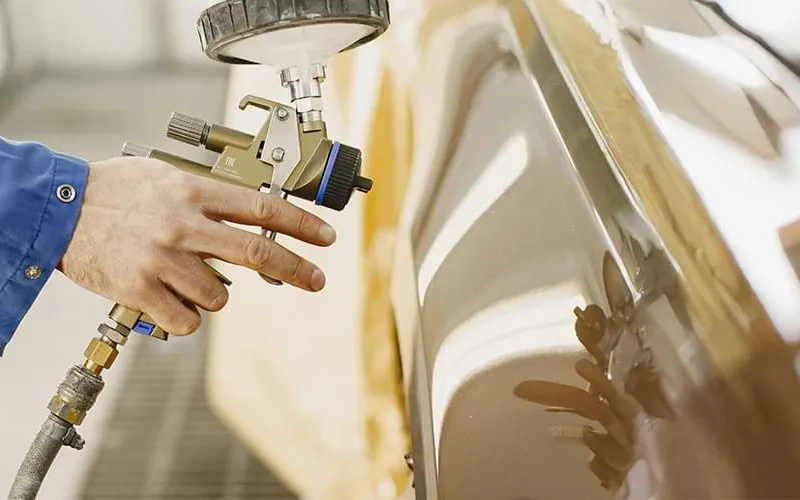
Automotive & Finishing: Air dryers for paint spraying, body shops, powder coating, tire and service bays and car washes: compressor size, dew point and dryer band.
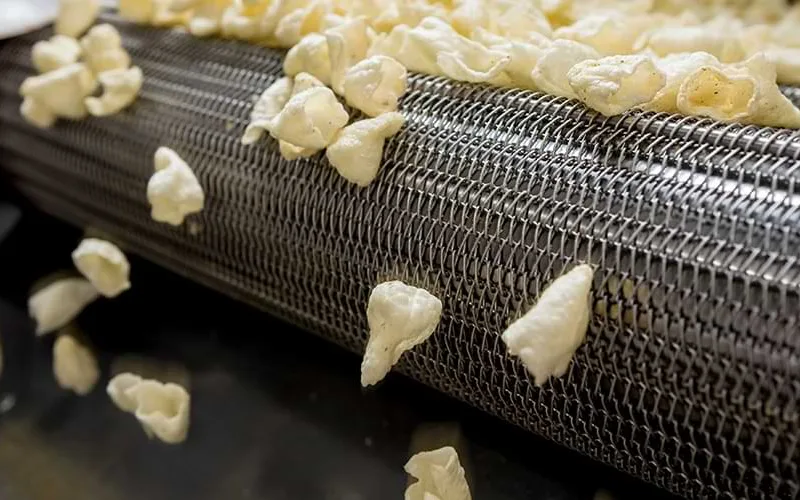
Food, Beverage & Pharma: Air dryers for food packaging, bottling, breweries, pharma and dairy plants: contact and non-contact air, cold rooms and ISO 8573-1 classes.

Plastics & Packaging: Refrigerated air dryers for PET blow molding, injection molding, printing, packaging lines and extrusion, with flows and dew points.
Facilities & Trades: Refrigerated air dryers for woodshops, textile mills, pneumatic HVAC controls, dental and medical support air, electronics and labs.
- Manufacturing: pneumatic tools and controls, CNC machining, laser and plasma cutting, robotics and blasting. Plant air from 10 to 250 hp screw compressors, dried once at the compressor room.
- Automotive & Finishing: paint spraying, body shops, powder coating, tire and service bays and car washes. Small piston and screw compressors, hot inlet air, and defects that show up in the finish.
- Food, Beverage & Pharma: packaging, bottling, breweries and wineries, pharmaceutical and dairy. Contact and non-contact air, cold rooms below the dew point, and where a sterile filter or a desiccant stage takes over.
- Plastics & Packaging: PET blow molding at 500 to 725 psig, injection molding, printing and converting, packaging lines and extrusion. High-pressure dryers and the plant air behind them.
- Facilities & Trades: woodworking, textiles, HVAC controls, medical and dental, electronics and labs. Smaller compressors, point-of-use dryers and instrument-grade air.
- Dryers by Compressor: the same selection from the other direction, by compressor type and horsepower: rotary screw, reciprocating, point-of-use and central plant.
- Sizing & Selection: flow, inlet temperature, pressure and ambient corrections, cycling versus non-cycling, refrigerated versus desiccant, dew point classes and installation.
- Refrigerated Dryers: non-cycling, cycling and special-duty series from 7 to 12,500 SCFM, with the filters, separators, drains and bypass valves that belong with them.
- Quotes: send the compressor horsepower, the application and the room temperature, and a dryer size, part number and price come back. 1-805-484-2992.
How Moisture in Compressed Air Damages a Process

Water reaches the point of use in three forms and each does its own damage. Liquid slugs arrive after a weekend when the header has cooled: they hydraulic-lock an air cylinder, blow the lubricant out of an impact wrench and spit across a part that was about to be painted. Mist and fine droplets wash the grease out of valve spools and cylinder seals, so pneumatic components in a wet system fail in a year instead of ten. Saturated vapor is the quiet one. It condenses in any line that runs through a cooler space, corrodes the pipe from the inside and sends a rust slurry downstream to block orifices, foul filters and score bores.
In finishing the damage is visible: fisheyes and blushing in a solvent clearcoat, craters in powder, flash rust under a primer applied to blasted steel that was wet within minutes of the nozzle passing. In machining it is a rusted spindle taper and a drifting probe. In cutting it is a fogged lens and burned consumables. In food and pharmaceutical plants wet air grows organisms inside the pipe and blows them onto product, and in instrument systems the water freezes at exhaust ports and jams positioners.
The cost is rarely the dryer's price. It is the scrapped paint job, the replaced valve island, the shift lost to a plugged nozzle and the compressor lubricant that went down the line instead of staying in the sump. The dryer for a 25 hp compressor costs less than one week of rejects on the line it serves.
What the Fix Looks Like
Cool the air after the compressor, knock the bulk water out in a receiver and separator, chill it to 38°F in a refrigerated dryer sized for the compressor's real output at the compressor room's real summer temperature, coalesce the oil aerosol behind the dryer and drain every low point without venting air. Add a desiccant stage after it only where the process or the climate needs a lower dew point. Every application page names the series that do this job, and the sections in the sidebar lead to them.