
1-805-484-2992
Quotes - Engineering - Sales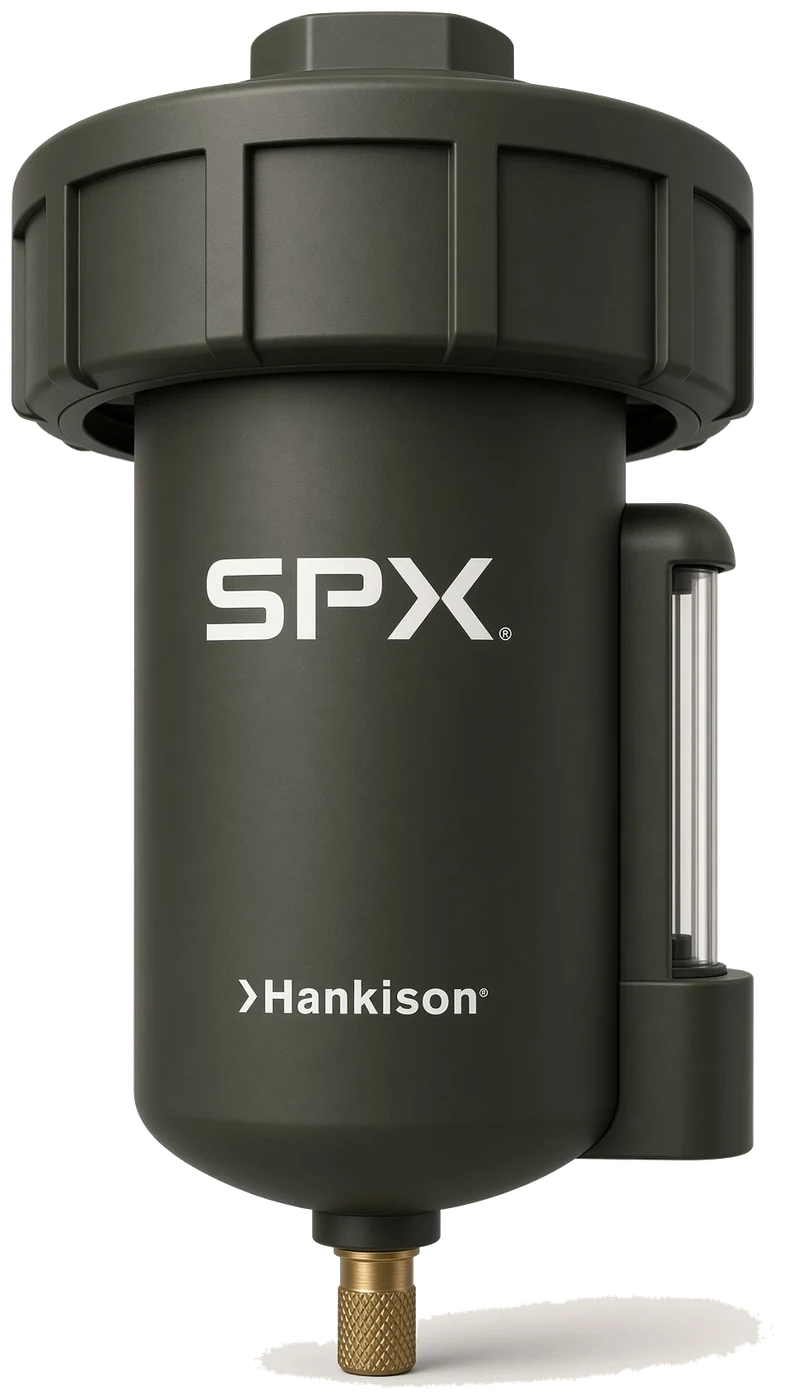
Snap-Trap and Trip-L-Trap Zero-Loss Drains
| PRODUCT | TYPE | CAPACITY | RATING |
|---|---|---|---|
| Pneumatic Zero-Loss Drain | Float and air-piston, no power | 0.3, 3 or 24 gal/h | 175 psig Snap-Trap; 300 and 500 psig Trip-L-Trap |
Specifications
Configuration & Size
Snap-Trap:
504 top inlet, 508 bottom inlet, 510 top or side inlet, 1/2 in and 3/8 in NPT
Trip-L-Trap:
505 and 506, top inlet; 505BC and 506BC, bottom inlet; 3/4 in NPT in, 1/4 in out
Versions:
HP for 500 psig, SS all stainless, BC bottom connection, in any combination
Power:
None; system air operates the piston
Features
- Model 505 discharges 190 cc per cycle, about 3 gallons an hour; model 506 discharges 1.5 liters, about 24 gallons an hour
- Skim tube draws the floating oil layer off first so it leaves with the water instead of coating the float
- Stainless float and mechanism with a resilient pilot seat; a full-stainless SS body for corrosive condensate
- 300 psig carbon-steel body as standard, HP versions to 500 psig for two-stage and high-pressure receivers
Trip-L-Trap: the heavy-duty float drain
A large port, a skim tube and a stainless mechanism for oily condensate
Two mechanical drains that use the system's own air to discharge condensate and vent nothing else. The Snap-Trap (models 504, 508 and 510) is the light-duty unit for filter bowls, dryer separators and small receivers: a float lifts a pilot valve, air drives a piston, and the port snaps open for about 20 cc a cycle, near 0.3 gallons an hour. The Trip-L-Trap (models 505 and 506) is the heavy-duty unit for receivers, aftercooler separators and dryers with oily condensate: a stainless float trips a pilot, an air-powered piston opens a large port, and a skim tube pulls off floating oil first. The 505 passes 3 gallons an hour, the 506 24.
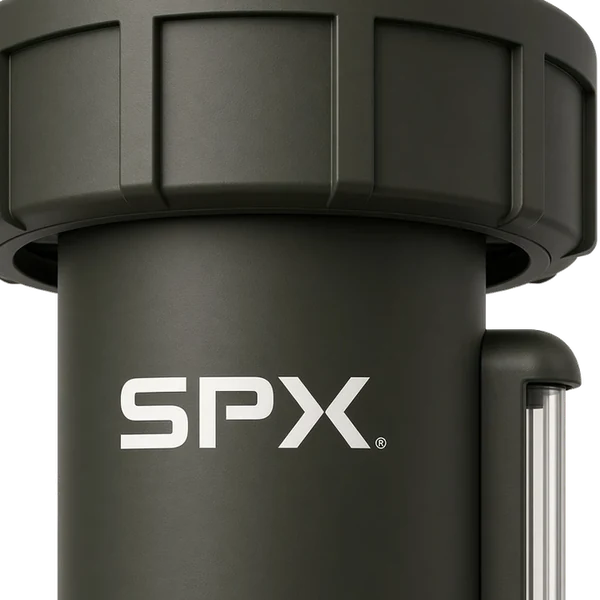
Snap-Trap: the compact bowl drain. About 20 cc per cycle and 0.3 gallons an hour, which is more than a filter bowl or a small dryer separator produces; Epoxy-coated zinc body with a sight glass, acetal mechanism, fluoroelastomer float and seals; Self-bailing float and a screened discharge port, so a slug of rust does not jam it open; 504 with a top inlet and 5/16 in tube discharge, 508 with a bottom inlet and 3/8 in NPT discharge, 510 on 1/2 in NPT.
The drain for places with no power. Filter bowls and small dryer separators take the Snap-Trap; the receiver and the aftercooler separator take a Trip-L-Trap; A 505 clears the condensate from a receiver behind a 50 hp compressor; a 506 handles a large aftercooler or a central-plant separator; Repair kits keep a Trip-L-Trap in service for decades; there is no electronics to replace.
Snap-Trap & Trip-L-Trap Drains Part Numbers
| Part Number | Connection | Type | Rating |
|---|---|---|---|
| 504 | 1/2 in NPT top inlet, 5/16 in tube discharge | Condensate drain | Top-connection Snap-Trap |
| 508 | 3/8 in NPT bottom inlet, 3/8 in NPT discharge | Condensate drain | — |
| 510 | 1/2 in NPT, top or side inlet | Condensate drain | — |
| 505 | 3/4 in NPT top inlet, 1/4 in discharge | Condensate drain | 3 gal/h, 300 psig, carbon steel |
| 505BC | 3/4 in NPT bottom inlet, 1/4 in discharge | Condensate drain | 3 gal/h, 300 psig |
| 505HP | 3/4 in NPT top inlet, 1/4 in discharge | Condensate drain | 3 gal/h, 500 psig |
| 505BCHP | 3/4 in NPT bottom inlet, 1/4 in discharge | Condensate drain | 3 gal/h, 500 psig |
| 505SS | 3/4 in NPT top inlet, 1/4 in discharge | Condensate drain | 3 gal/h, 300 psig, all stainless |
| 505BCSS | 3/4 in NPT bottom inlet, 1/4 in discharge | Condensate drain | 3 gal/h, 300 psig, all stainless |
| 505HPSS | 3/4 in NPT top inlet, 1/4 in discharge | Condensate drain | 3 gal/h, 500 psig, all stainless |
| 505BCHPSS | 3/4 in NPT bottom inlet, 1/4 in discharge | Condensate drain | 3 gal/h, 500 psig, all stainless |
| 506 | 3/4 in NPT top inlet, 1/4 in discharge | Condensate drain | 24 gal/h, 300 psig, carbon steel |
| 506BC | 3/4 in NPT bottom inlet, 1/4 in discharge | Condensate drain | 24 gal/h, 300 psig |
| 506HP | 3/4 in NPT top inlet, 1/4 in discharge | Condensate drain | 24 gal/h, 500 psig |
| 506BCHP | 3/4 in NPT bottom inlet, 1/4 in discharge | Condensate drain | 24 gal/h, 500 psig |
| 506SS | 3/4 in NPT top inlet, 1/4 in discharge | Condensate drain | 24 gal/h, 300 psig, all stainless |
| 506BCSS | 3/4 in NPT bottom inlet, 1/4 in discharge | Condensate drain | 24 gal/h, 300 psig, all stainless |
| 506HPSS | 3/4 in NPT top inlet, 1/4 in discharge | Condensate drain | 24 gal/h, 500 psig, all stainless |
| 506BCHPSS | 3/4 in NPT bottom inlet, 1/4 in discharge | Condensate drain | 24 gal/h, 500 psig, all stainless |
Ratings are maximum working pressure; on the Trip-L-Trap the suffix letters build the part number, so 505BCHPSS is the 3 gallon-an-hour drain with a bottom inlet, 500 psig rating and all-stainless construction.
Snap-Trap & Trip-L-Trap Drains Applications




Dimensions and mounting
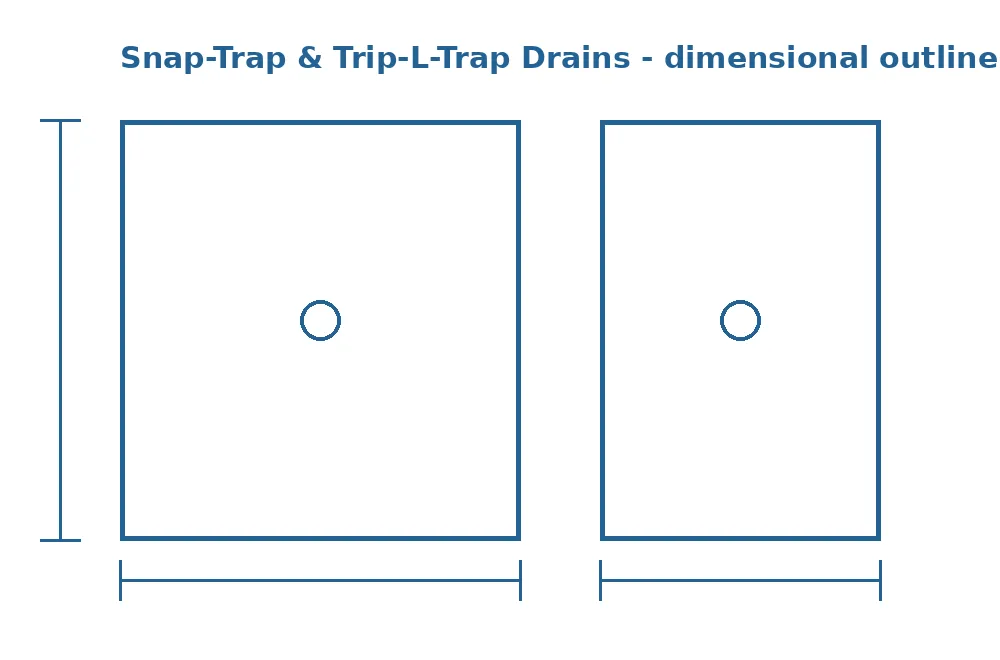
Body below the drain point, inlet on top or bottom by model, discharge to a condensate line.
A float drain fills by gravity, so the body must sit below the lowest point of the bowl, separator or tank it serves, with a short vertical feed and no horizontal run that can hold air. The top-inlet models (504, 505, 506) hang directly under a drain port on a nipple; the bottom-inlet models (508 and the BC versions) sit beside the vessel with the feed coming up from below through a tee, which is the arrangement for a receiver whose drain port is at floor level. Put an isolation ball valve between the vessel and the drain so the drain can be serviced without blowing the tank down, and mount the Trip-L-Trap upright, level, with the float free to travel.
The discharge port is small, 5/16 in tube or 3/8 in NPT on the Snap-Trap and 1/4 in on the Trip-L-Trap; run it downhill to an oil-water separator or a condensate line and never leave it pointing at the floor, because each cycle discharges with system pressure behind it. Leave room to see the Snap-Trap sight glass and to reach the Trip-L-Trap cover for a kit change.
Confirm the inlet orientation, the pressure version and the discharge fitting with the quote; the drawing above is representative of the Trip-L-Trap.
Common FAQs
0.3, 3 or 24 gal/h
- Snap-Trap: 504 top inlet, 508 bottom inlet, 510 top or side inlet, 1/2 in and 3/8 in NPT
- Trip-L-Trap: 505 and 506, top inlet; 505BC and 506BC, bottom inlet; 3/4 in NPT in, 1/4 in out
- Versions: HP for 500 psig, SS all stainless, BC bottom connection, in any combination
- Power: None; system air operates the piston
- Snap-Trap: 20 to 175 psig, 35 to 120°F
- Trip-L-Trap: 300 psig standard, 500 psig HP versions, 150°F
- Discharge: 20 cc, 190 cc or 1.5 liters per cycle
- Materials: Epoxy-coated zinc with sight glass; carbon steel or all stainless
- Seals: Fluoroelastomer, unaffected by synthetic lubricants